Find the advice
your garden needs.
Practical answers for Bedford and nearby homeowners. Choose your starting point or search the guides below.
Compare fence styles visually ↗
Explore the advice library
No guides match those choices
Try a shorter search, such as “posts” instead of a full question, or choose all topics.
Browse all guides ↗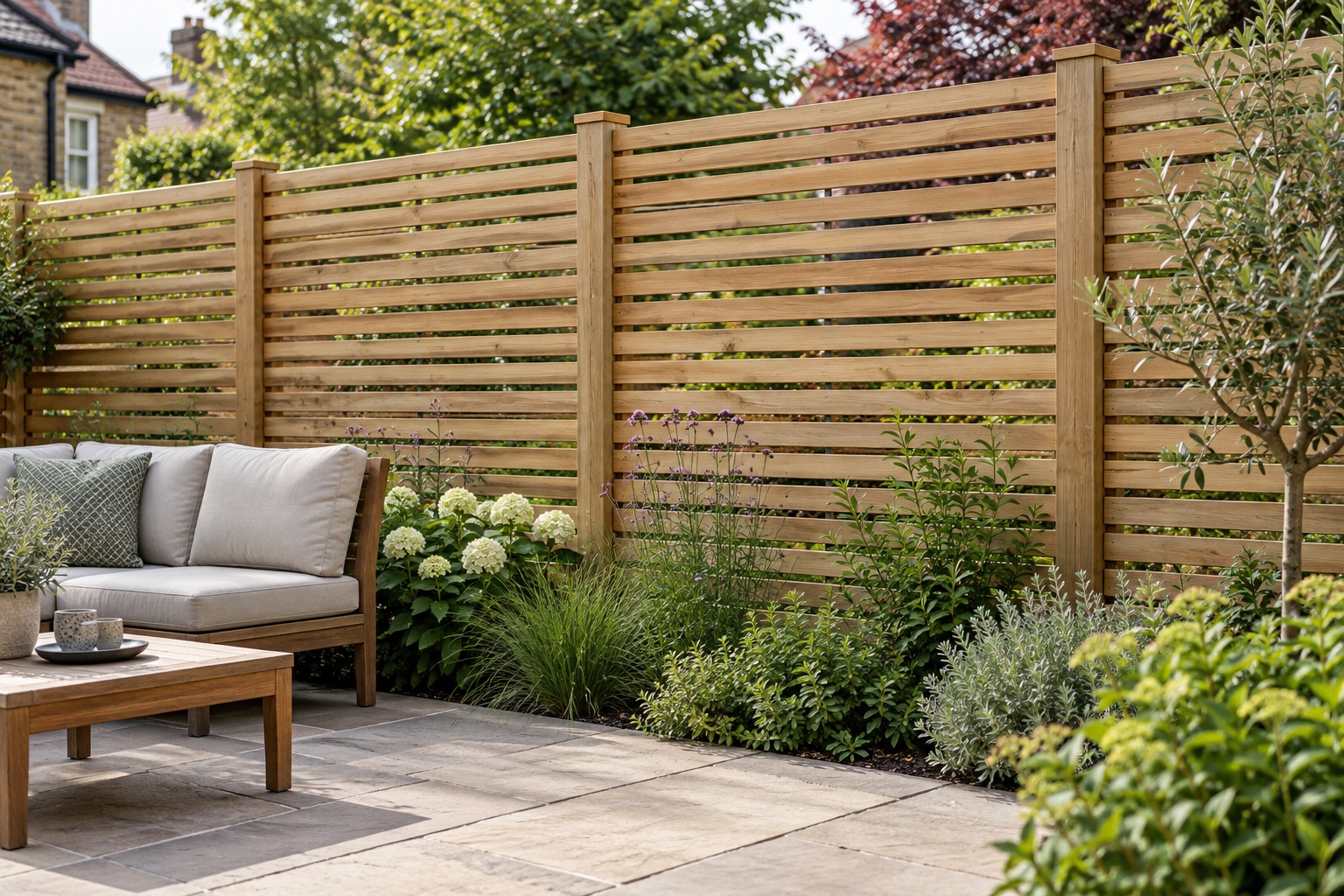
Slatted garden fencing: privacy, styles and practical choices
Compare single and double slats, viewing angles, materials, supports and costs before choosing a slatted boundary or garden screen.
Read the guide ↗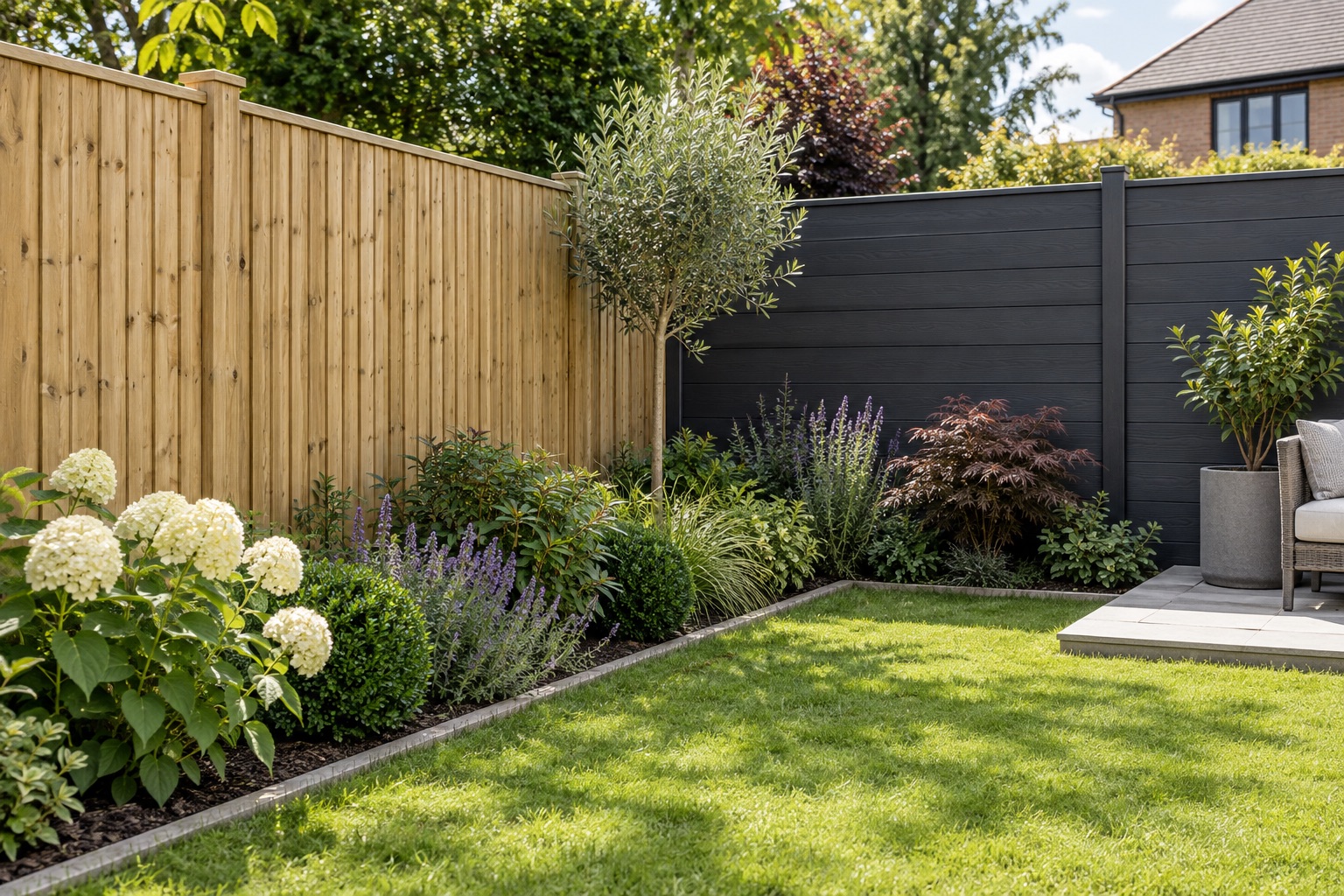
Timber versus composite fencing: which suits your garden?
Compare complete timber and composite systems on appearance, maintenance, installation, repairs, cost and guarantee terms.
Read the guide ↗
Hedgehog-friendly fencing: planning wildlife openings
Plan a wildlife connection with neighbour agreement, suitable fence details and separate checks for pet containment.
Read the guide ↗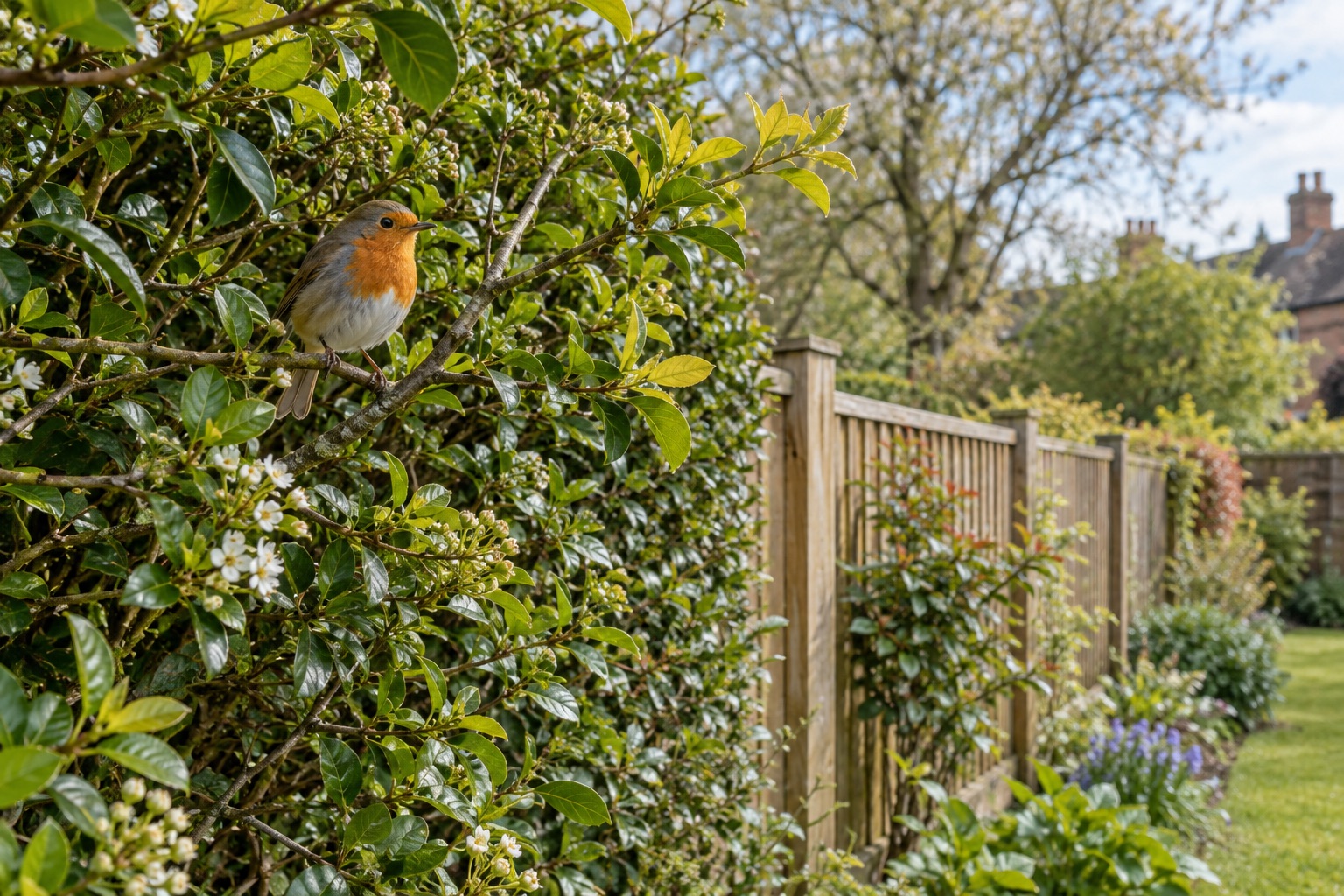
Fencing work, nesting birds and garden wildlife
Plan vegetation checks and clearance around active nests and other wildlife, without relying on a universal garden nesting-season rule.
Read the guide ↗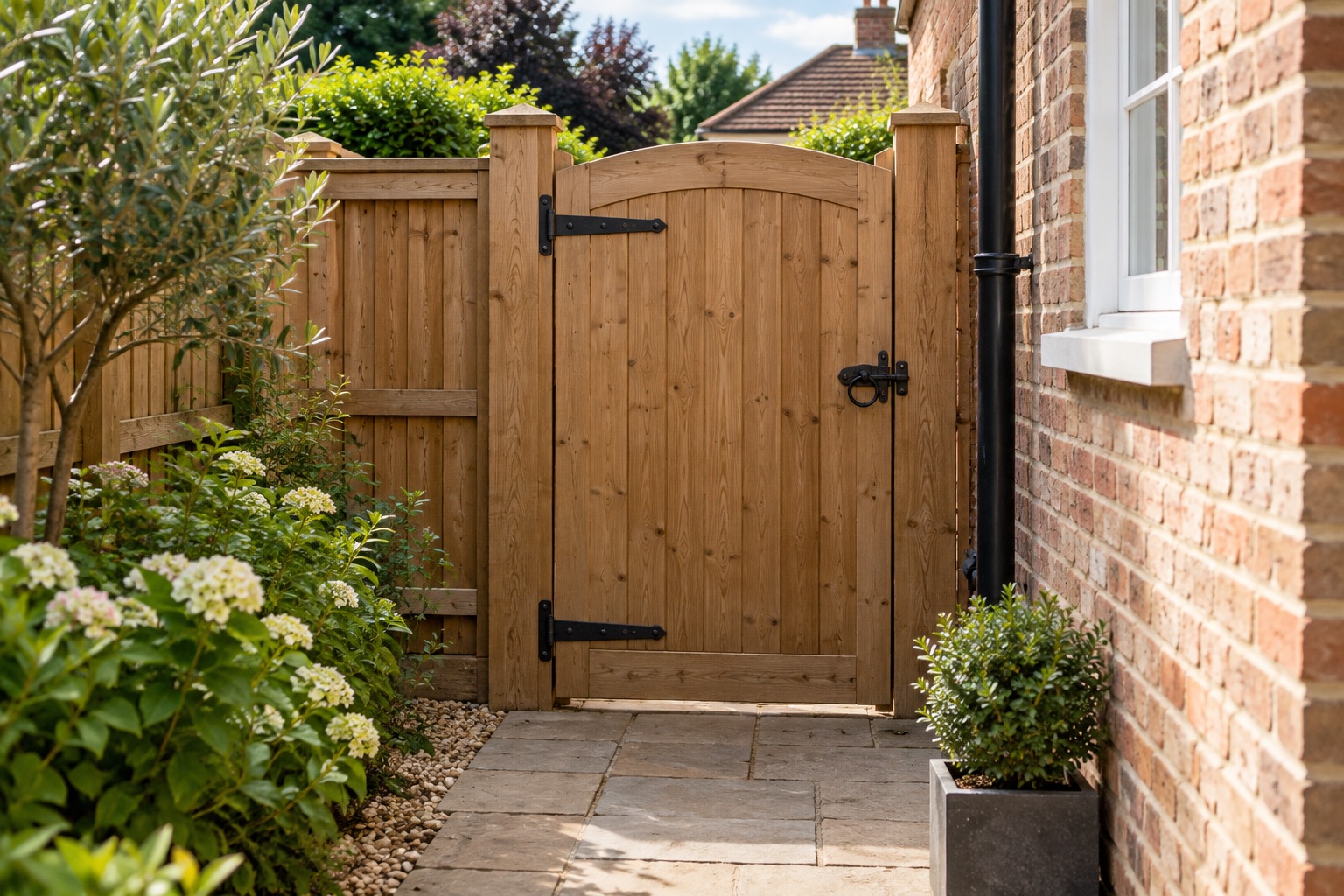
Garden gates compared: styles, construction, openings and fittings
Compare gate construction and styles with illustrated examples, then plan openings, driveway pairs, slopes, supports, fittings and aftercare.
Read the guide ↗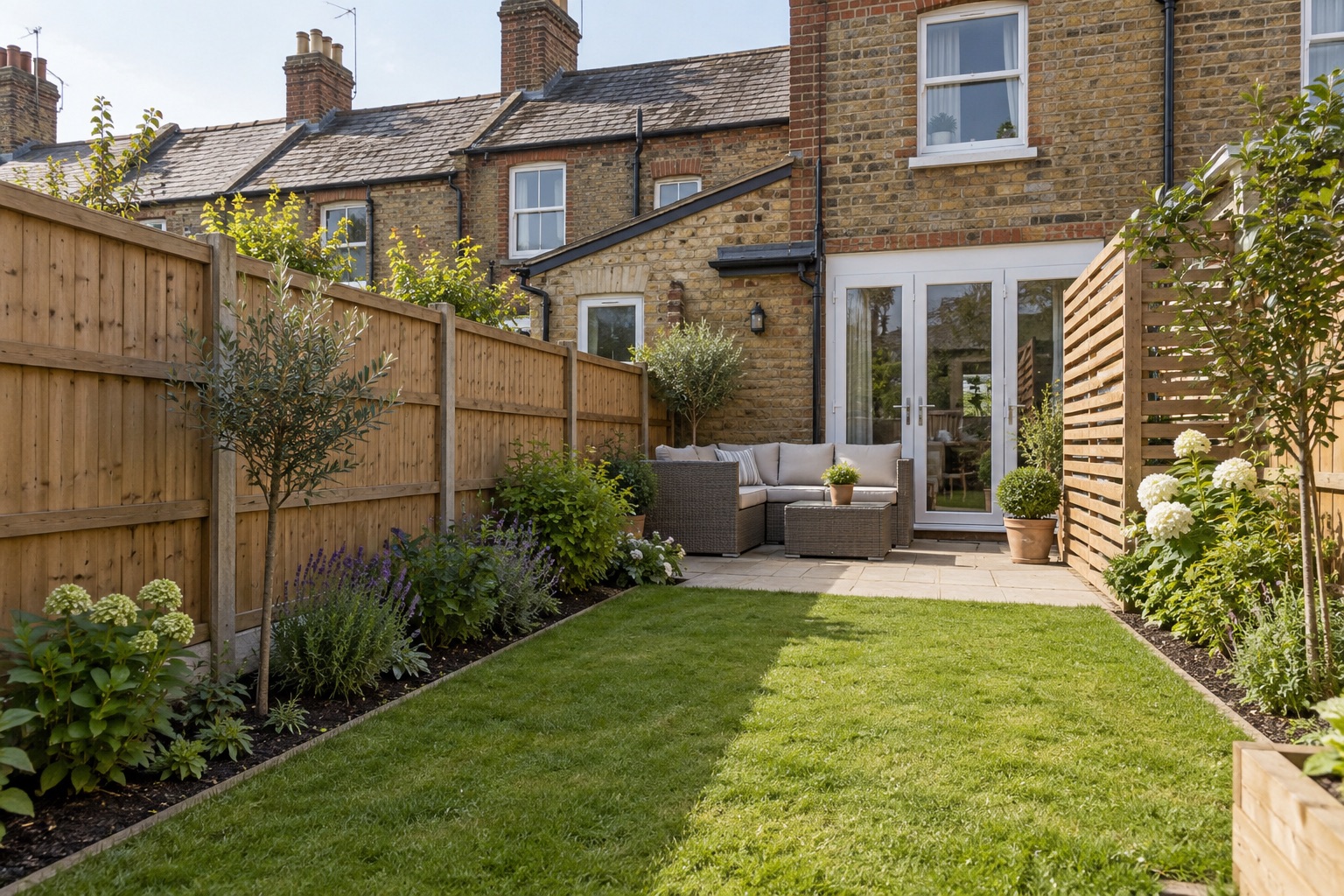
Fencing for small gardens: privacy without crowding the space
Compare boundaries and targeted screens around useful space, sightlines, access and planting in a compact garden.
Read the guide ↗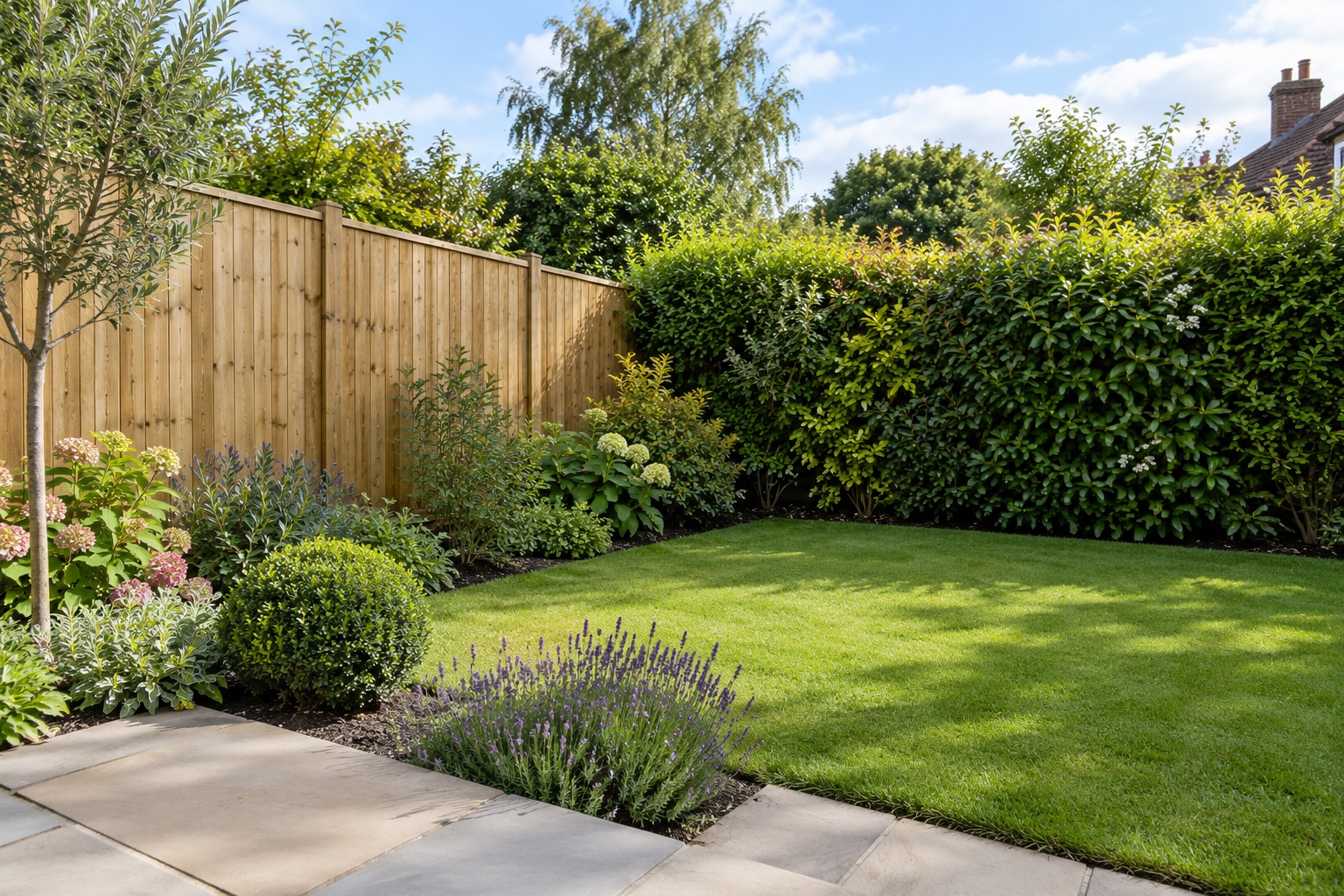
Fence or hedge: which suits your garden boundary?
Compare privacy, space, establishment, wildlife, maintenance and access before choosing a fence, hedge or combined boundary.
Read the guide ↗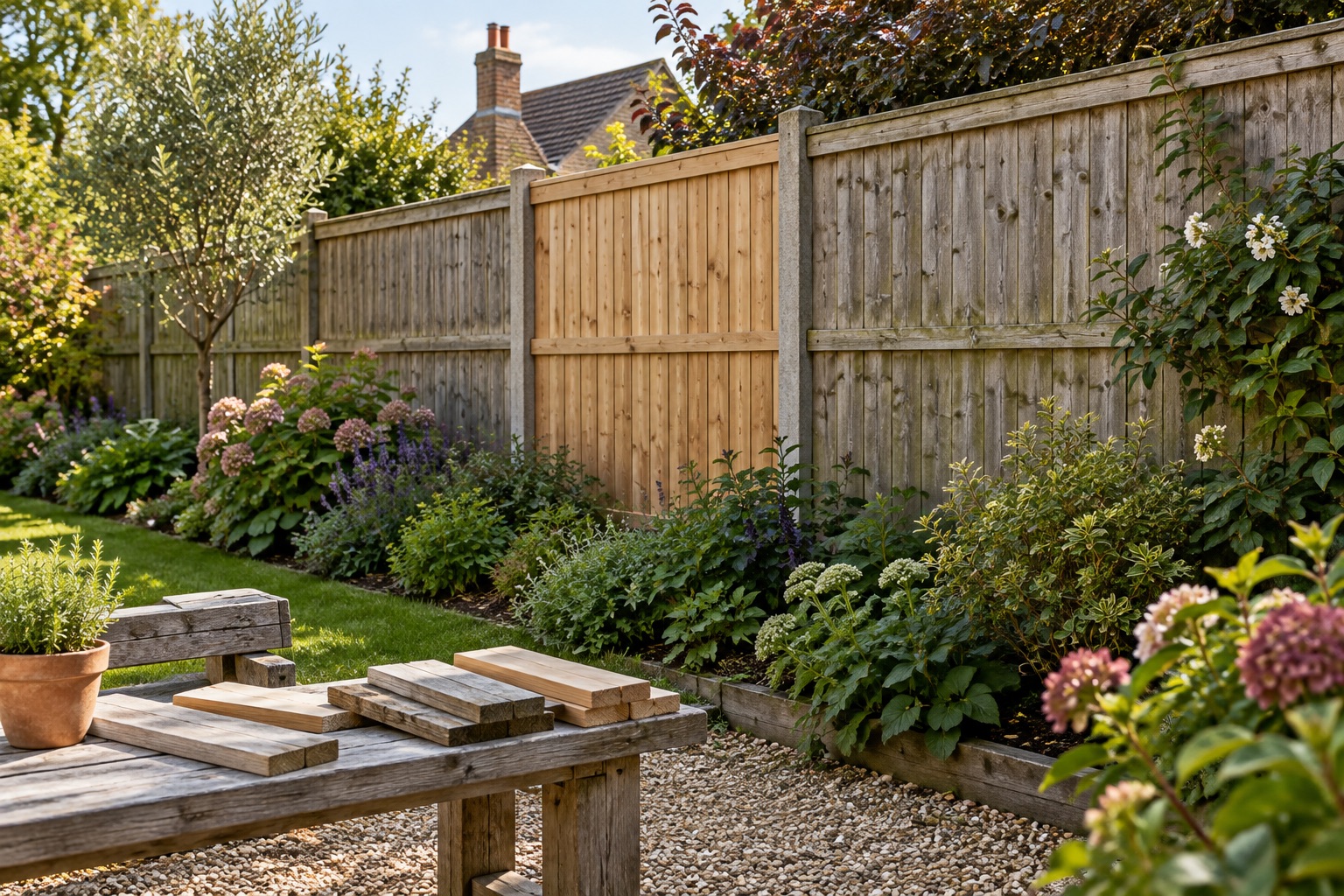
Choosing garden fencing with sustainability in mind
Assess retention, repairability, material sourcing, treatment suitability and disposal without relying on unsupported green claims.
Read the guide ↗
A Bedford-area fencing project checklist
Prepare a clear local fencing brief covering council checks, ownership, access, wildlife, specification, waste and handover.
Read the guide ↗
How to use Bedford planning maps before changing a fence
Find the correct property, inspect map layers and planning records, and keep a clear list of documents and questions to resolve.
Read the guide ↗
Bedford conservation-area and heritage checks for fencing
Check designation boundaries, appraisals, Article 4 directions, listing and the actual removal and replacement proposal.
Read the guide ↗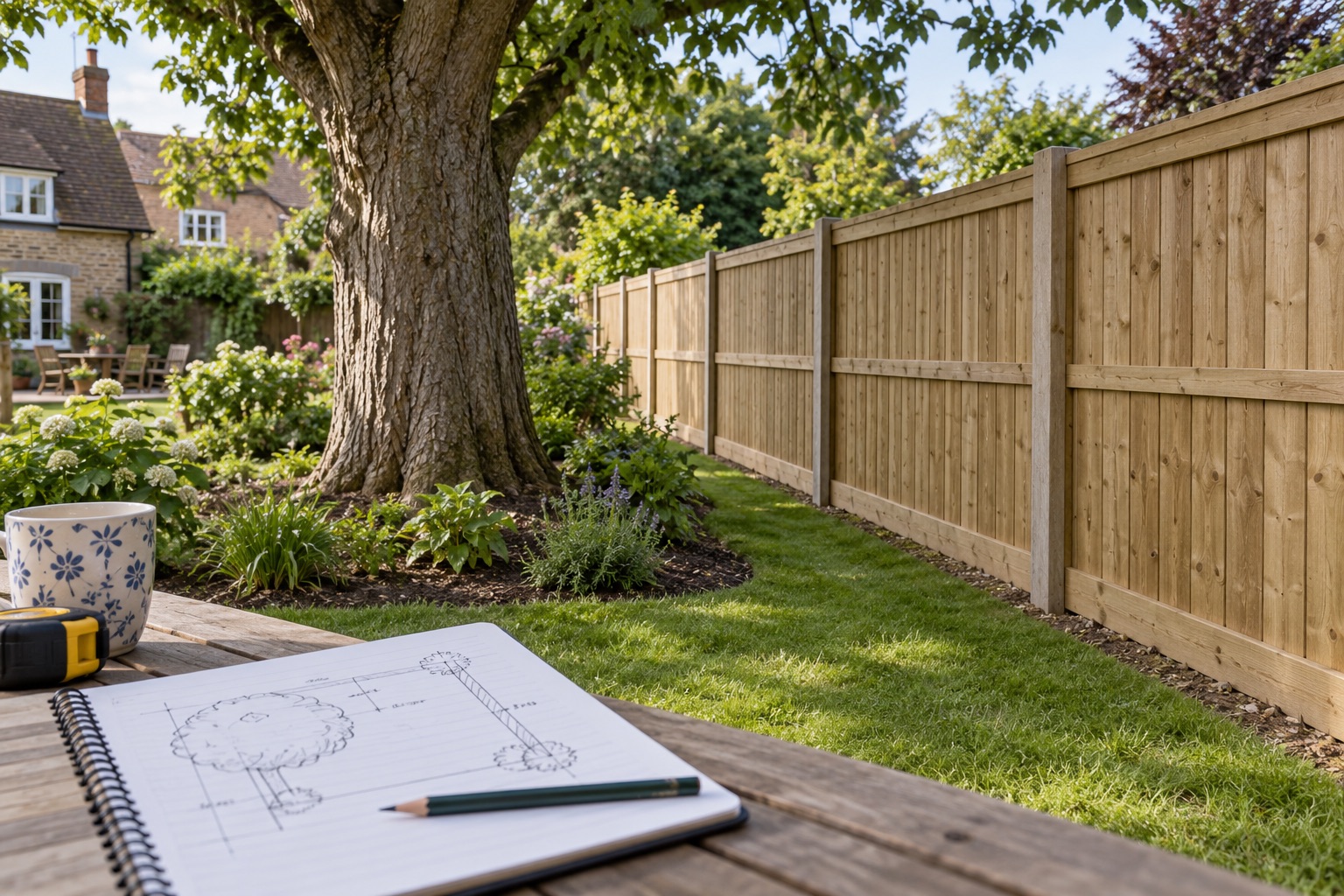
Checking protected trees before a Bedford fencing project
Find tree records, distinguish conservation-area and TPO questions, and plan the actual groundwork, clearance and access.
Read the guide ↗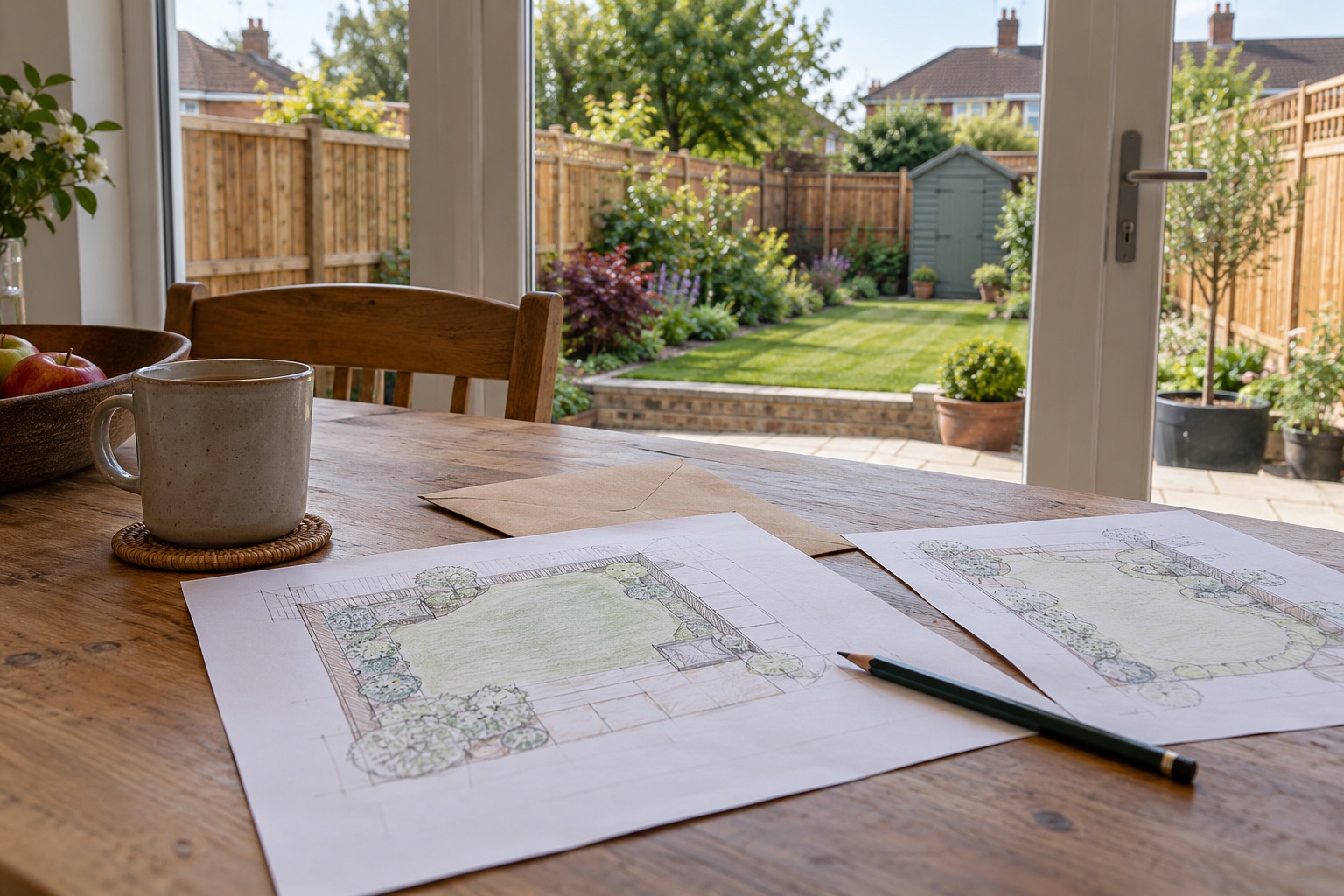
Which council should you contact about a Bedford-area fence?
Confirm the authority for the property and service, keeping planning, household waste eligibility and private permissions separate.
Read the guide ↗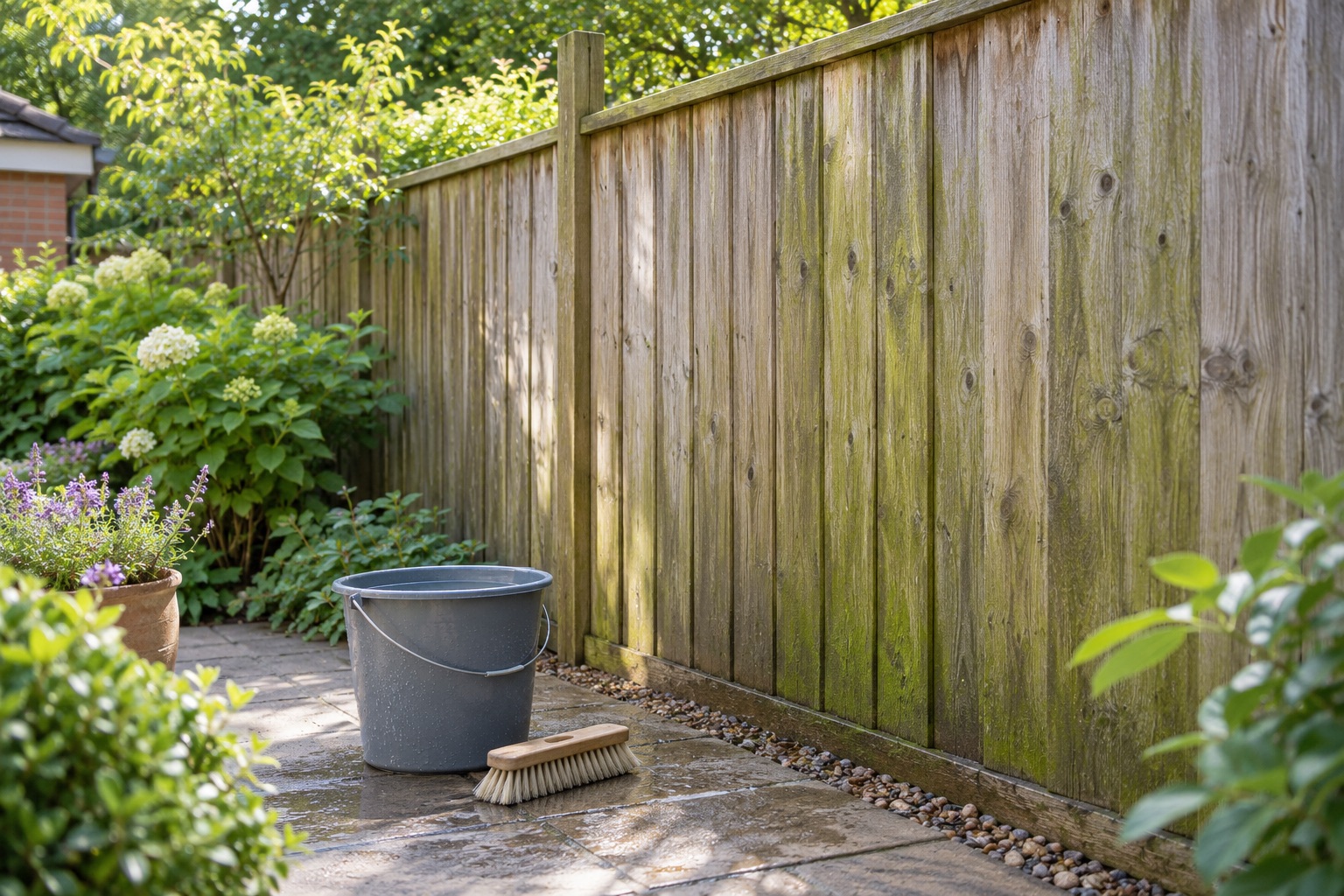
How to clean algae and dirt from a garden fence
Identify the surface and condition, choose compatible cleaning methods and prepare for a finish without confusing green growth with structural decay.
Read the guide ↗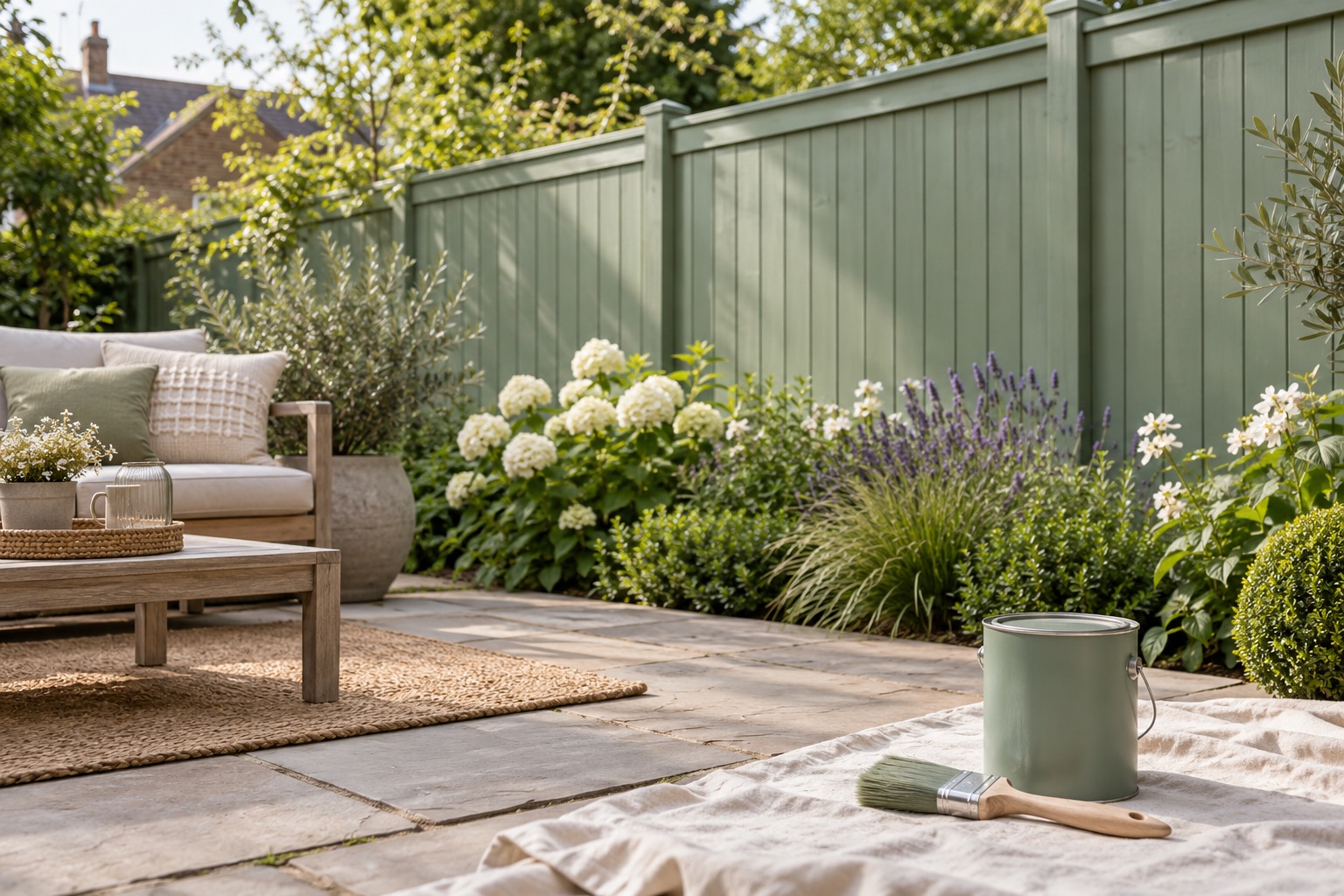
Painting and staining a garden fence: preparation, products and timing
Plan a fence finish around timber condition, previous coatings, permission, preparation, weather and the actual product instructions.
Read the guide ↗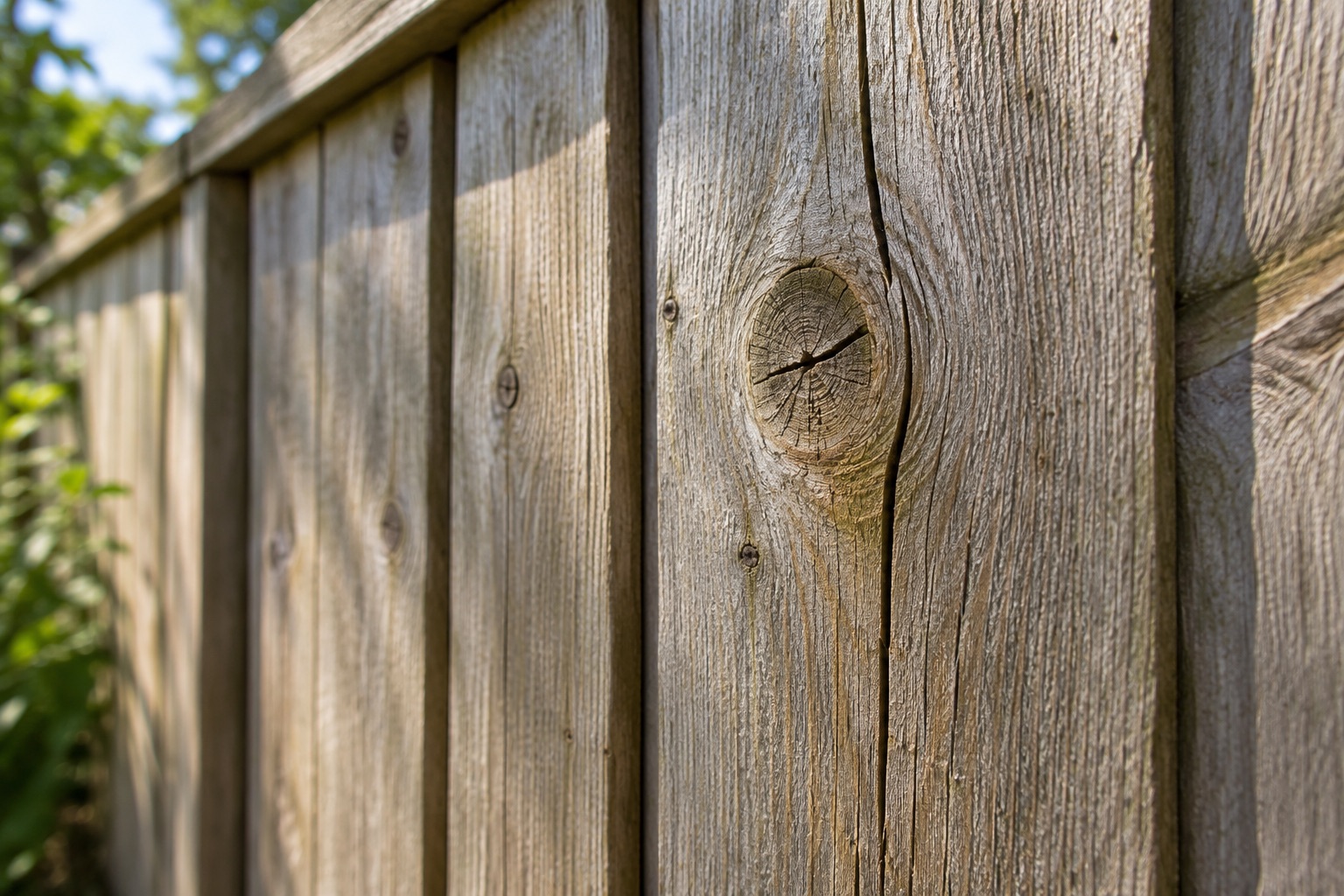
Cracks, knots, movement and colour changes in timber fencing
Understand natural timber variation, describe splits and distortion clearly and distinguish appearance concerns from faults that affect function or support.
Read the guide ↗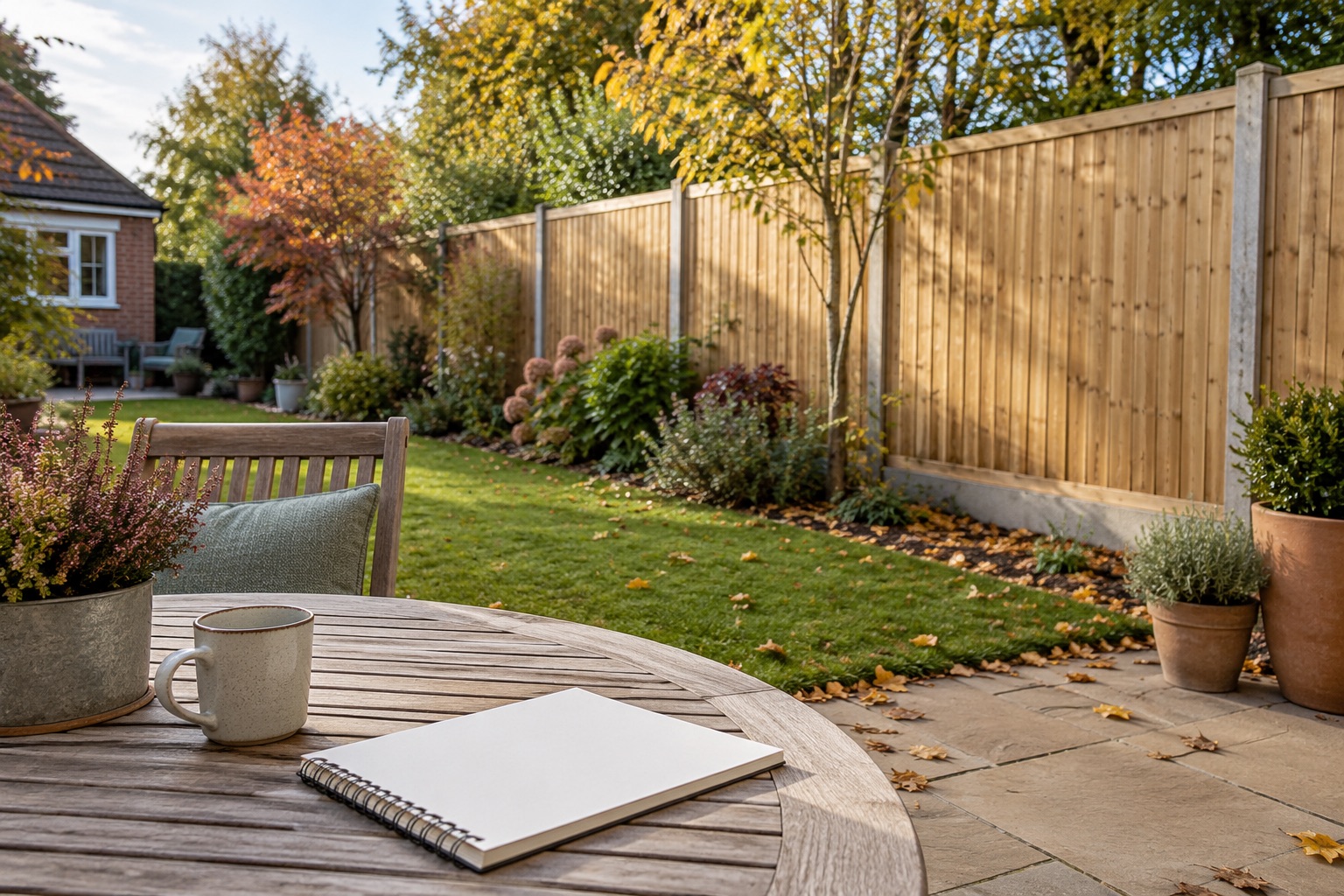
A seasonal garden fence maintenance checklist
Use a repeatable seasonal check for supports, boards, gates, planting and finish, with clear routes for damage that needs more than routine care.
Read the guide ↗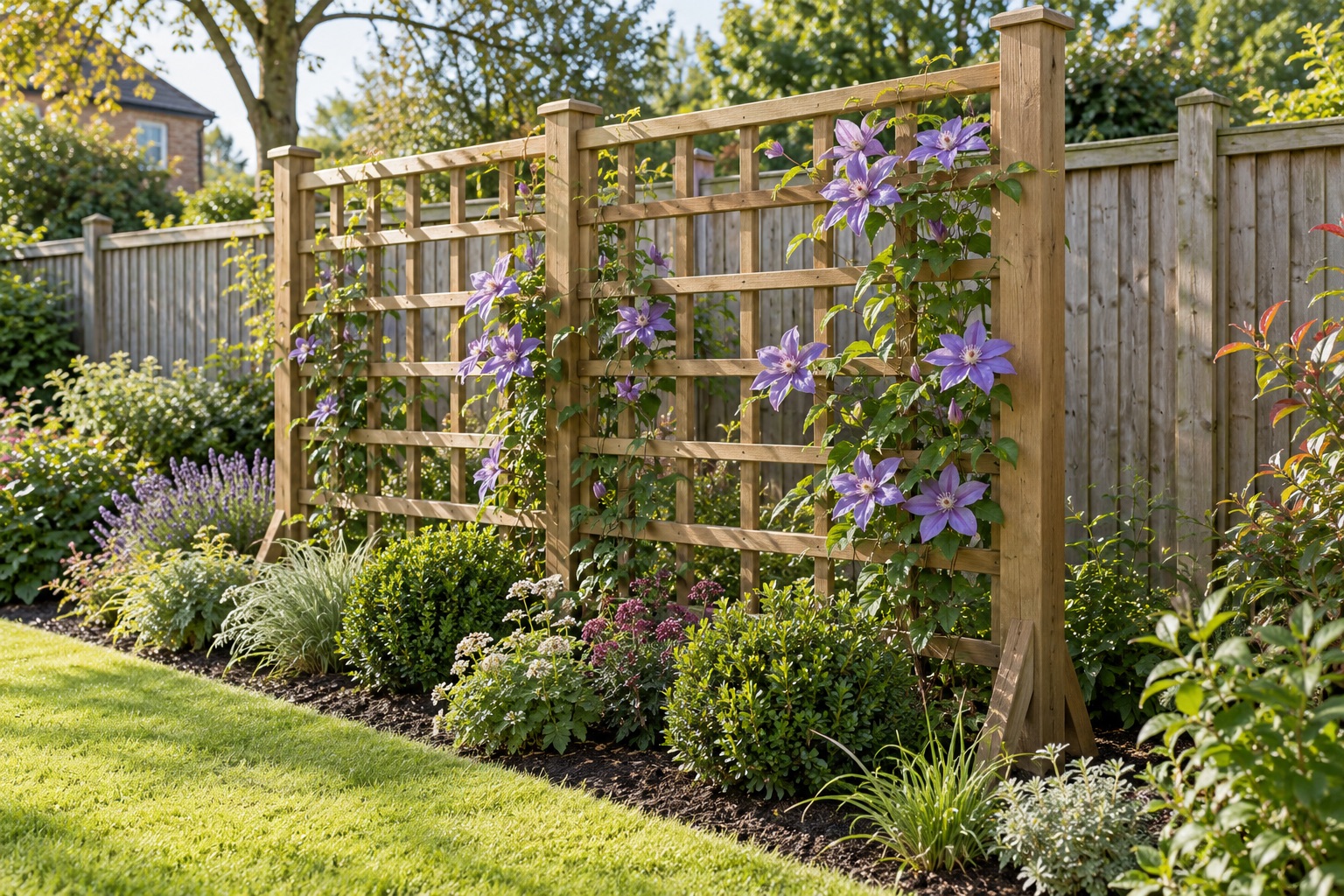
Climbing plants on fences: supports, growth and maintenance
Choose a suitable support for the mature climber, check permission and plan pruning, wildlife checks and access for later fence repairs.
Read the guide ↗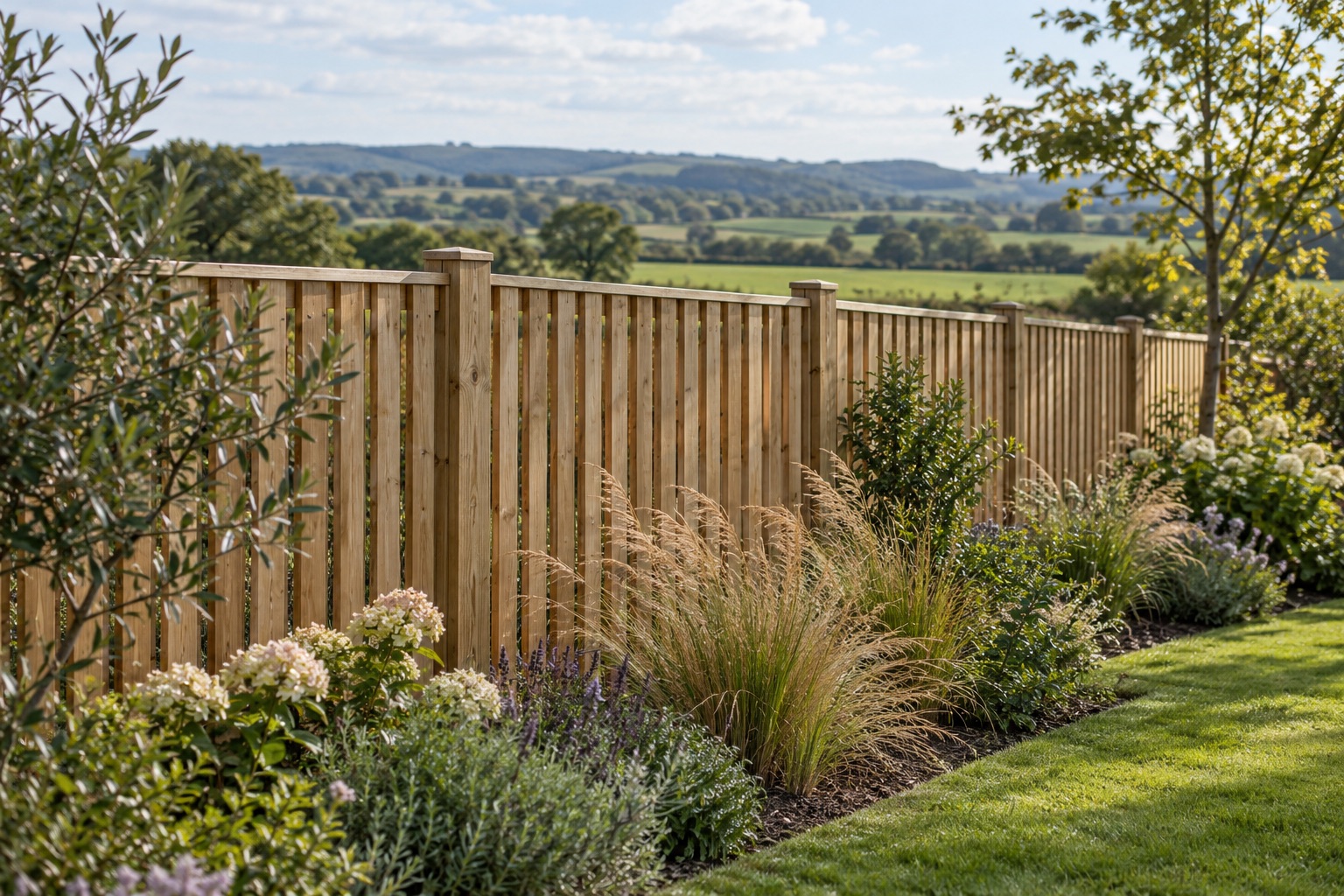
Choosing fencing for windy and exposed gardens
Compare permeability, privacy and support requirements for an exposed site without relying on a universal windproof fence claim.
Read the guide ↗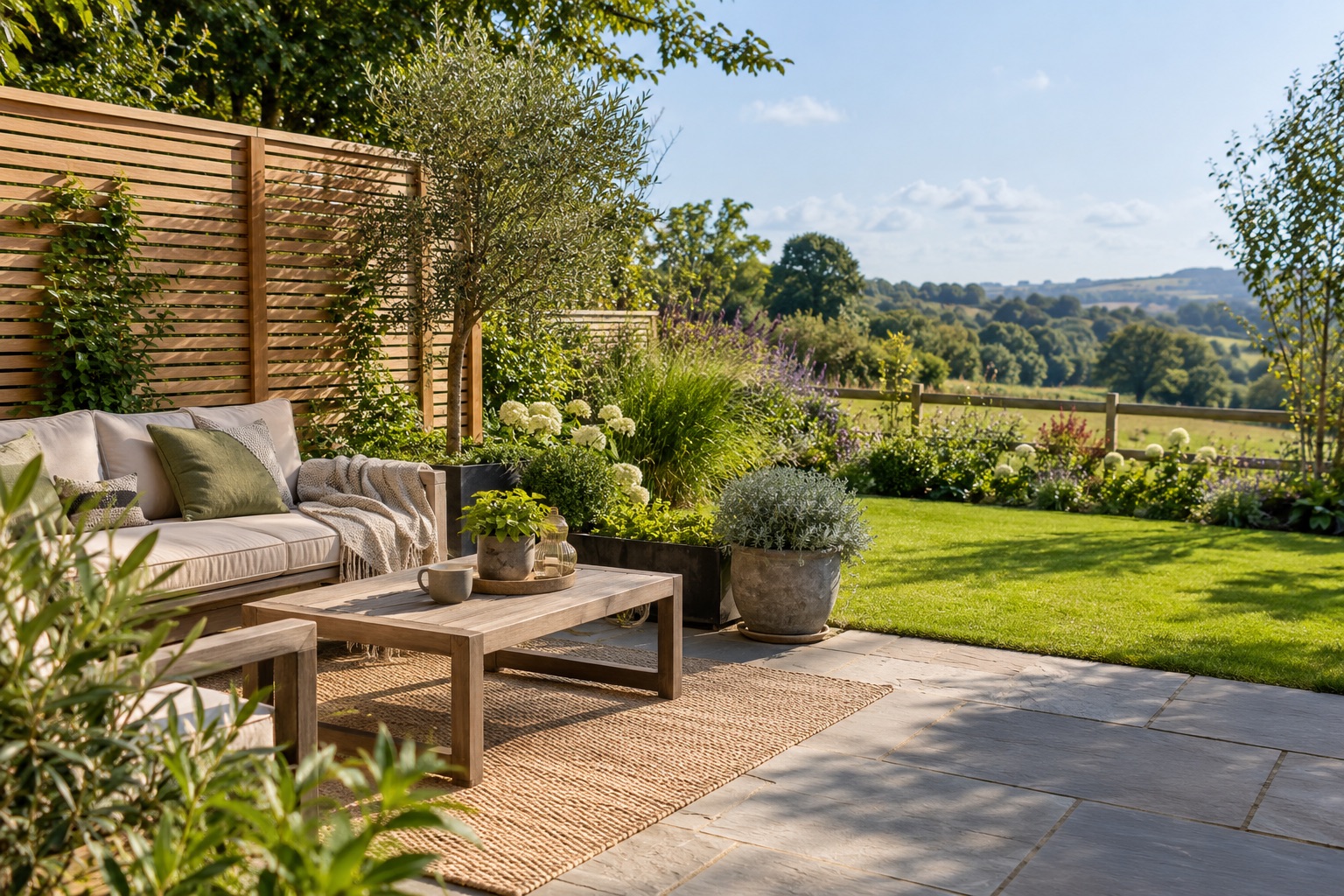
Garden privacy without losing too much light
Plan around real sightlines, targeted screens, viewing angles and seasonal planting before raising every garden boundary.
Read the guide ↗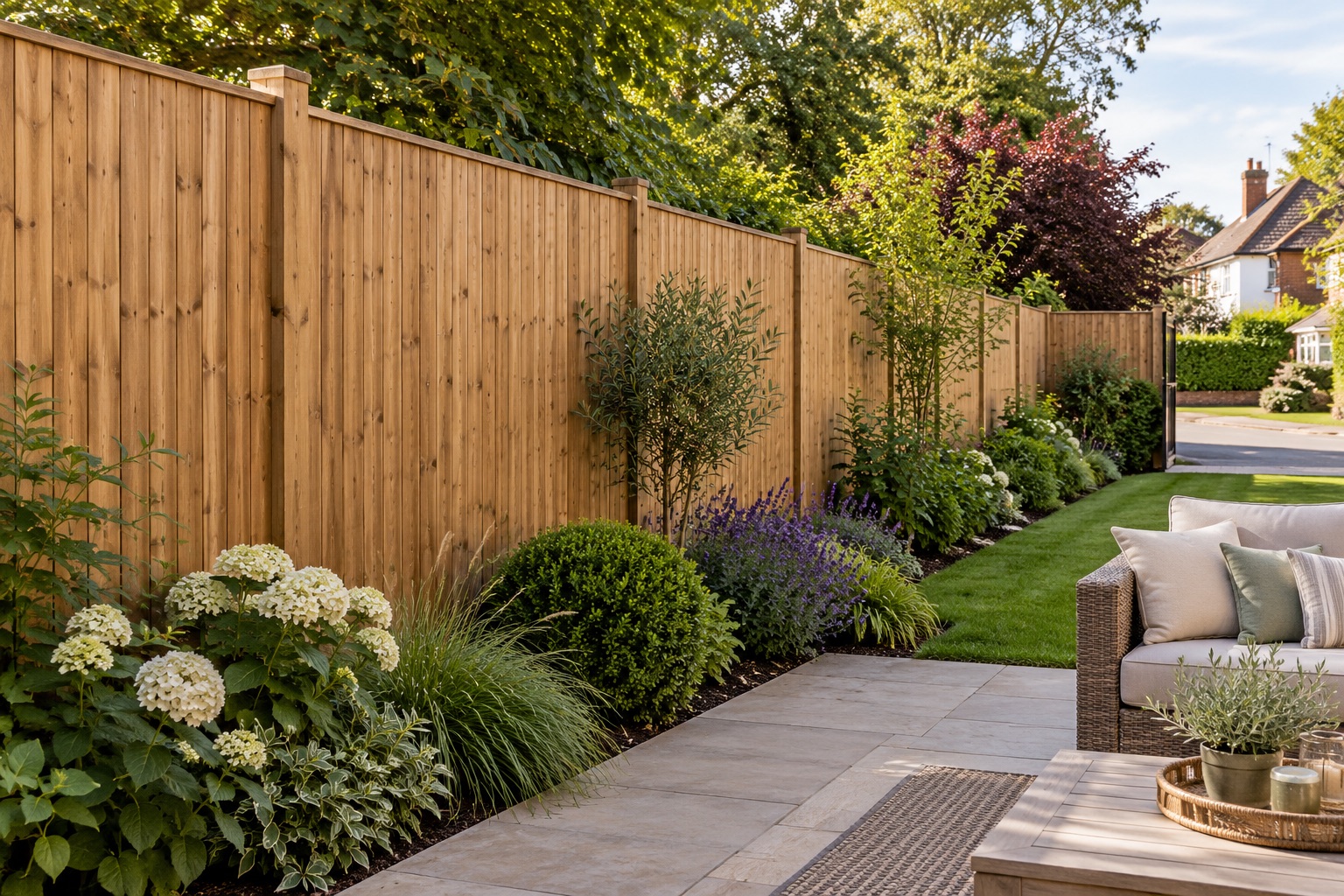
Can fencing reduce road and neighbour noise?
Distinguish visual screening from acoustic performance and assess sound paths, system specifications and site-specific claims before buying a noise barrier.
Read the guide ↗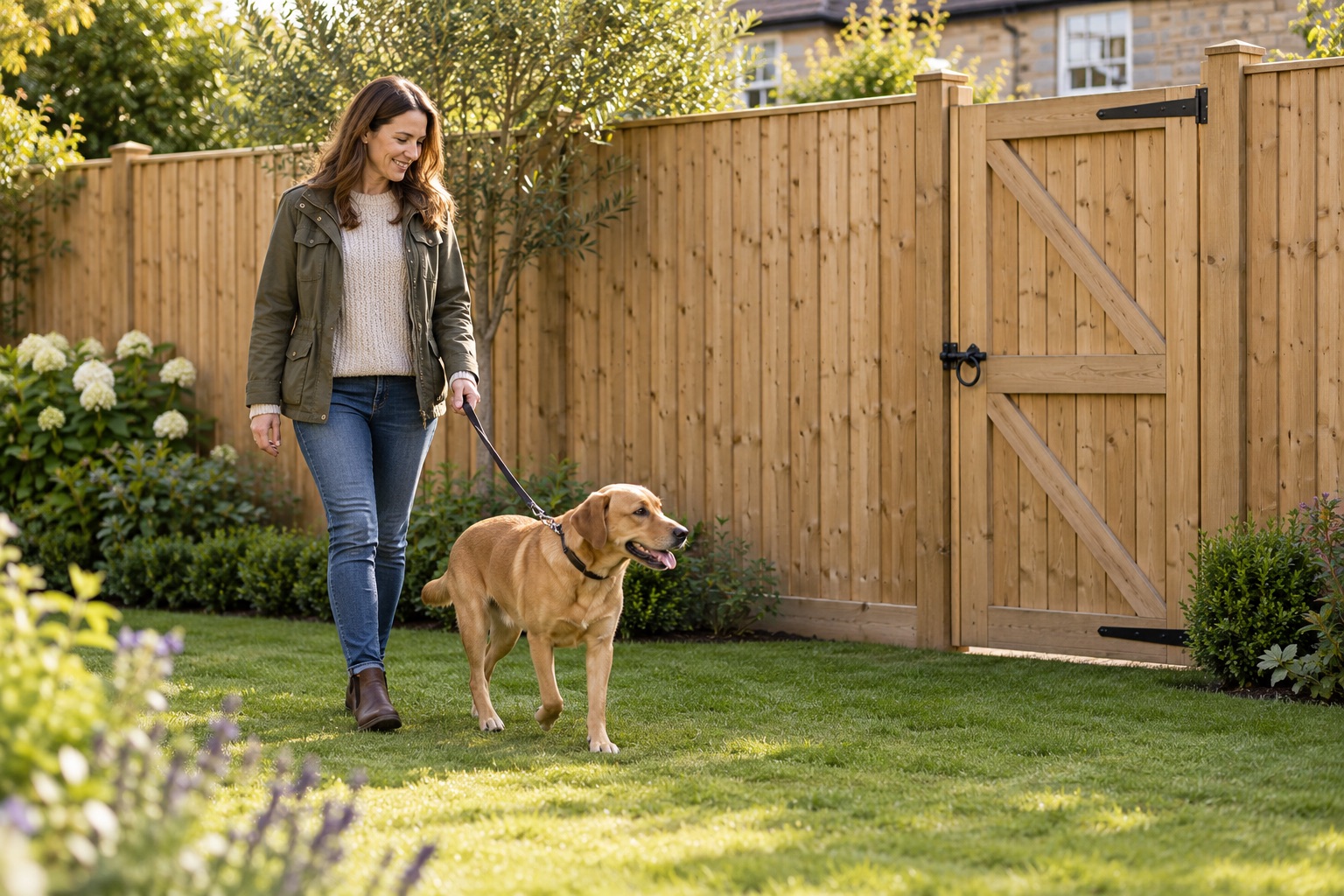
Garden fencing for dogs: height, gaps, gates and escape routes
Assess containment around the individual dog, the whole enclosure, digging, gate routines and maintenance without promising a universal dog-proof fence.
Read the guide ↗
Choosing garden fencing when children use the space
Consider condition, openings, climbing opportunities, gates and specific hazards as part of a family garden with supervision and suitable barrier advice.
Read the guide ↗
Fence installation handover: what to check before the job is finished
Check the completed scope, gate operation, site cleanup, documents and outstanding items, then keep a clear record of the installation or repair.
Read the guide ↗
Fencing beside raised gardens: retaining soil and managing drainage
Separate fence and retaining functions, assess level differences and drainage, and define the removal, design and permission questions before work starts.
Read the guide ↗
Why is your fence leaning, and can it be repaired?
Describe leaning fence faults, assess supports and connections, and compare a suitable local repair with wider replacement without diagnosing hidden condition from photographs.
Read the guide ↗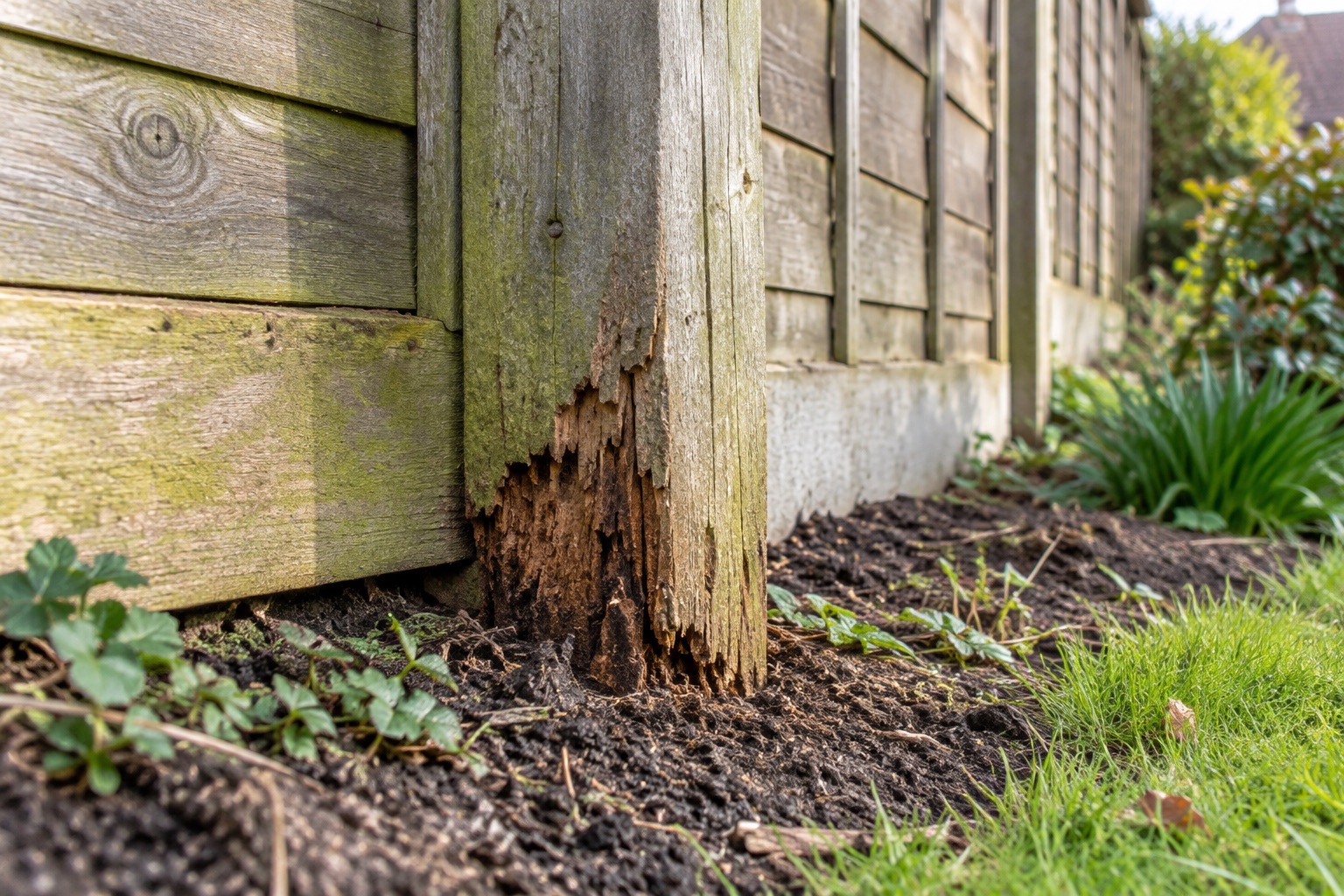
Rotten fence posts: repair spur or replacement?
Understand when a purpose-designed post repair may be suitable, what sound structure it relies on and when replacement deserves a separate scope.
Read the guide ↗
Can you replace just one fence panel?
Check a single-panel repair for support condition, actual dimensions, fit, access, appearance and a complete installation and removal scope.
Read the guide ↗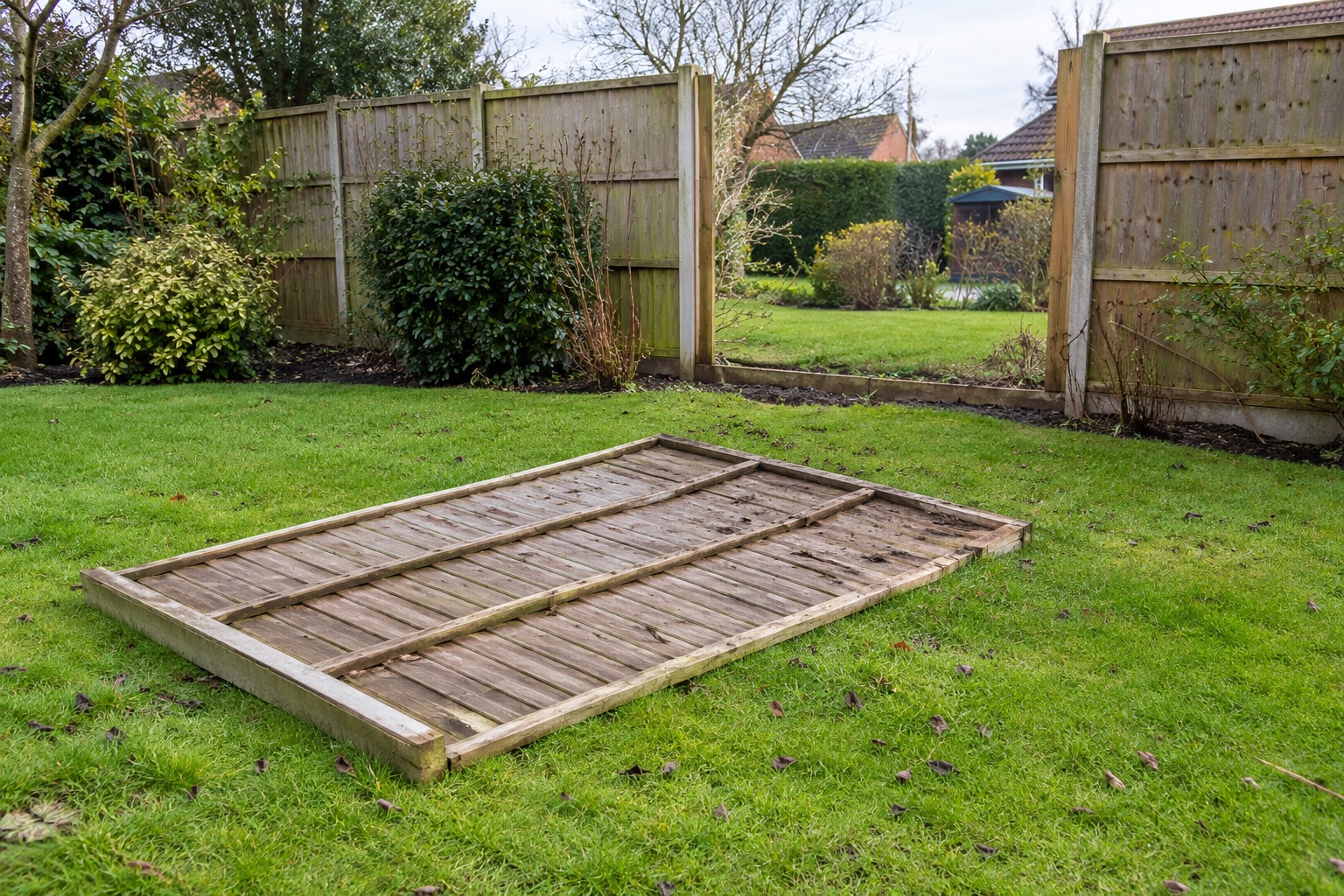
Storm-damaged fence: what to do first
Prioritise safe observation, evidence, owner and insurer contact, temporary arrangements and a defined permanent repair after storm damage.
Read the guide ↗
Does home insurance cover fence damage?
Read fence and gate exclusions, cause-of-damage provisions, evidence requirements and the complaints route before assuming a repair will be reimbursed.
Read the guide ↗
Rattling fences, loose boards and noisy garden gates
Locate the source of fence or gate noise, distinguish a fitting issue from support failure and use compatible repair and maintenance methods.
Read the guide ↗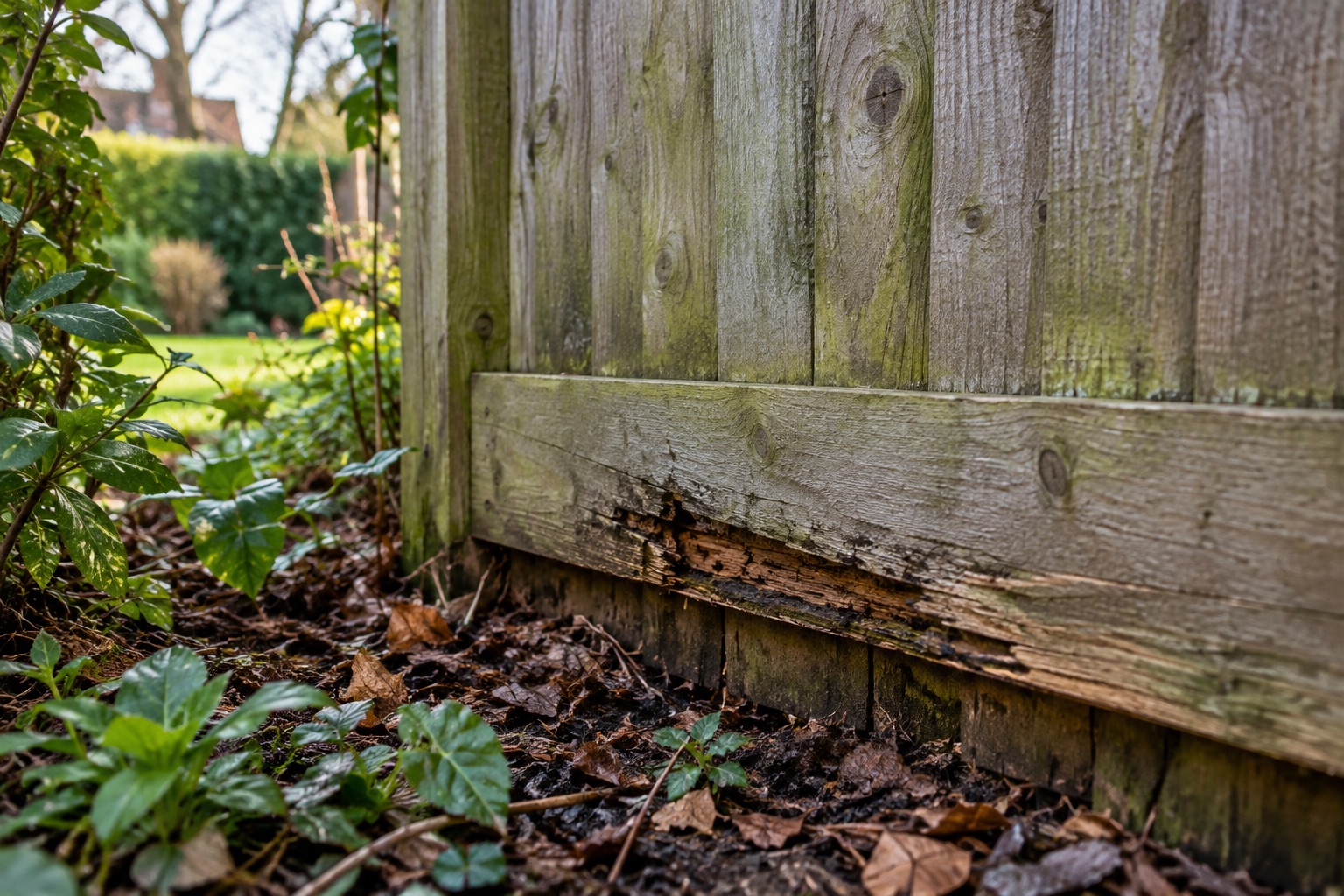
Fence rot: warning signs and what to do next
Distinguish timber weathering, surface staining and possible decay, then prepare a condition-led repair enquiry and suitable replacement specification.
Read the guide ↗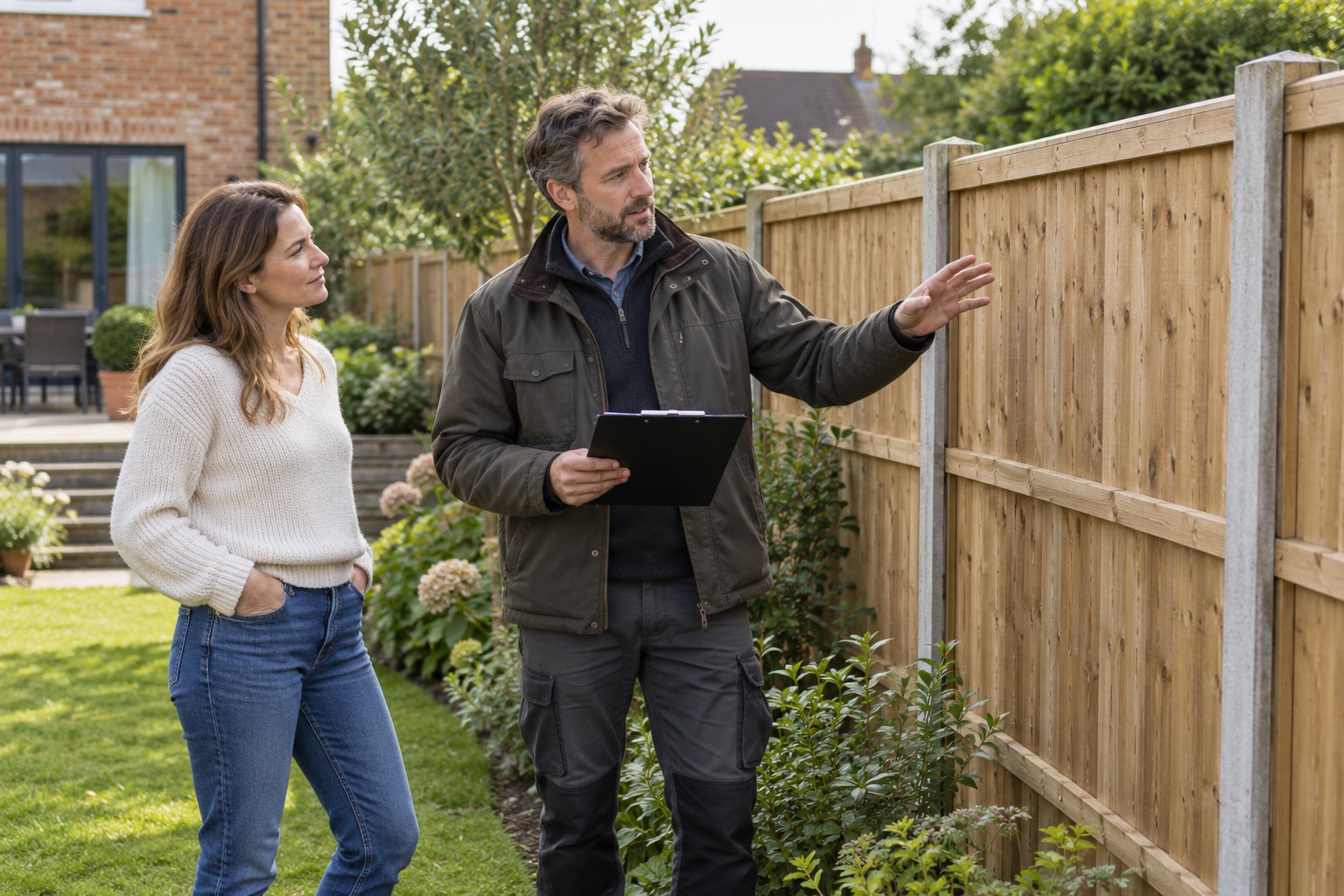
What happens at a fencing site survey?
Prepare for a fencing survey, clarify what is being assessed and turn measurements, access, condition and constraints into a useful written proposal.
Read the guide ↗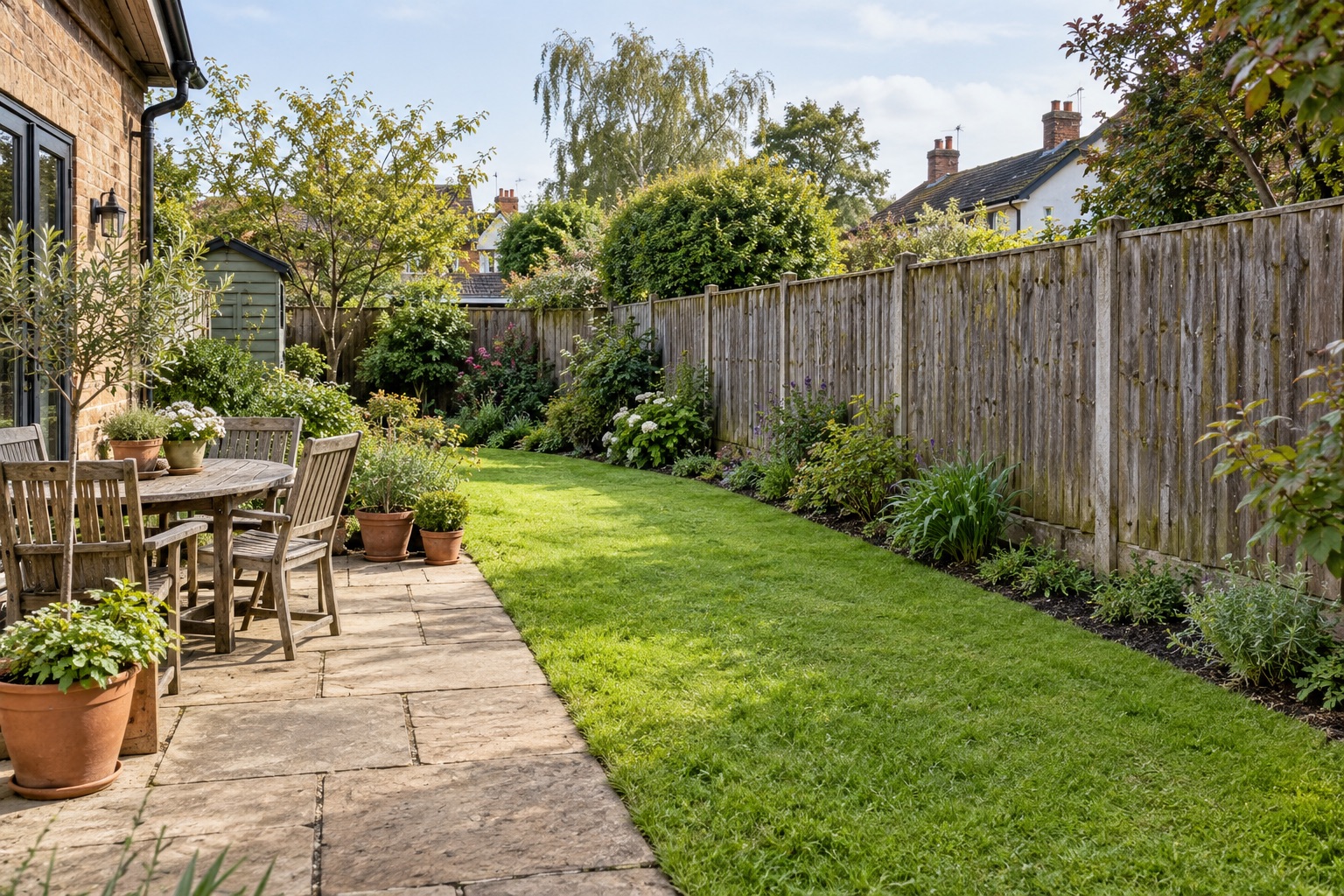
Preparing for fence installation: garden checklist and installation-day FAQs
Plan access, power and water, deliveries, pets, temporary openings, changes and cleanup, with a garden preparation checklist and installation-day FAQs.
Read the guide ↗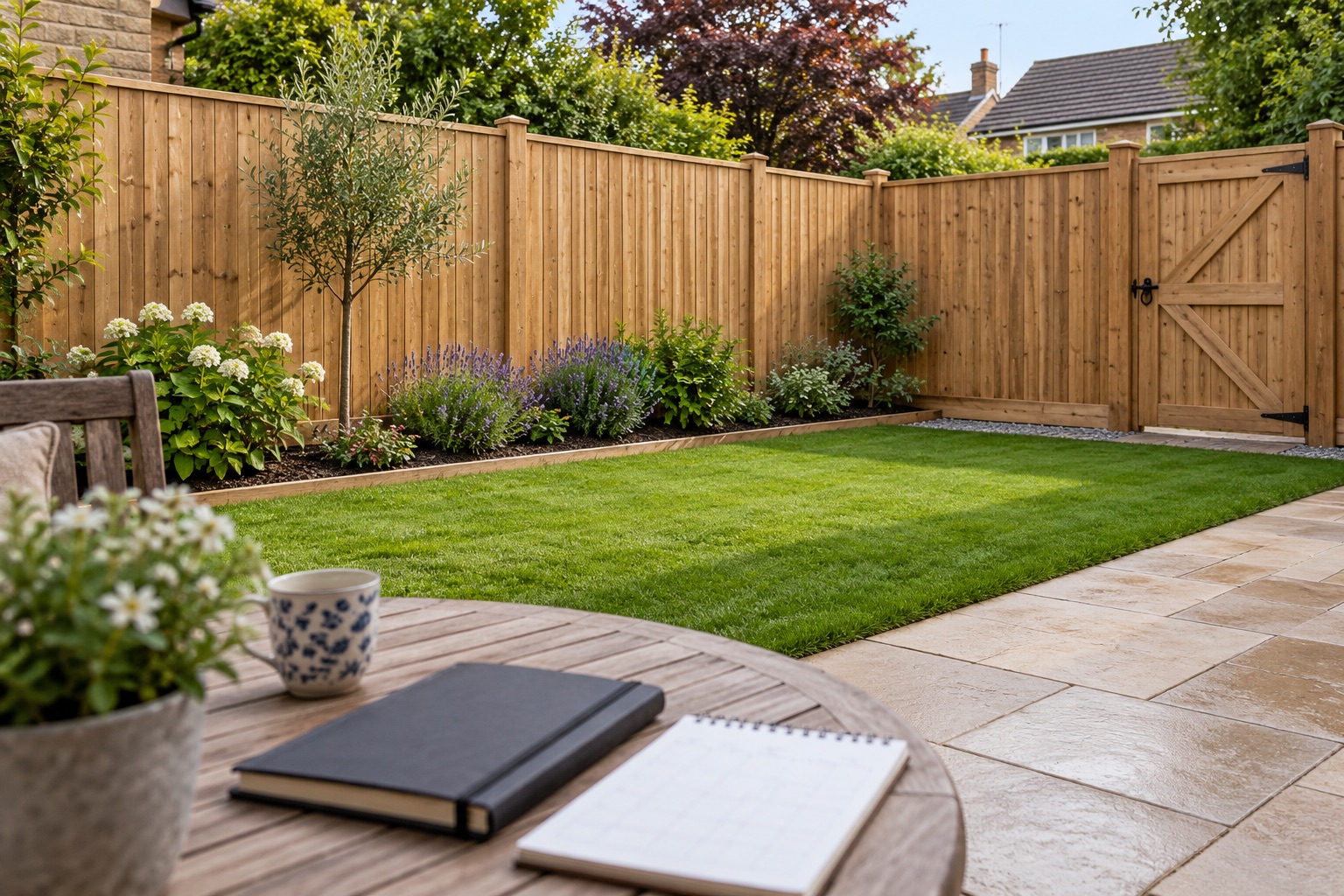
How long does fence installation take?
Understand lead times, time on site, removal, foundations, weather and completion without relying on a universal one-day installation promise.
Read the guide ↗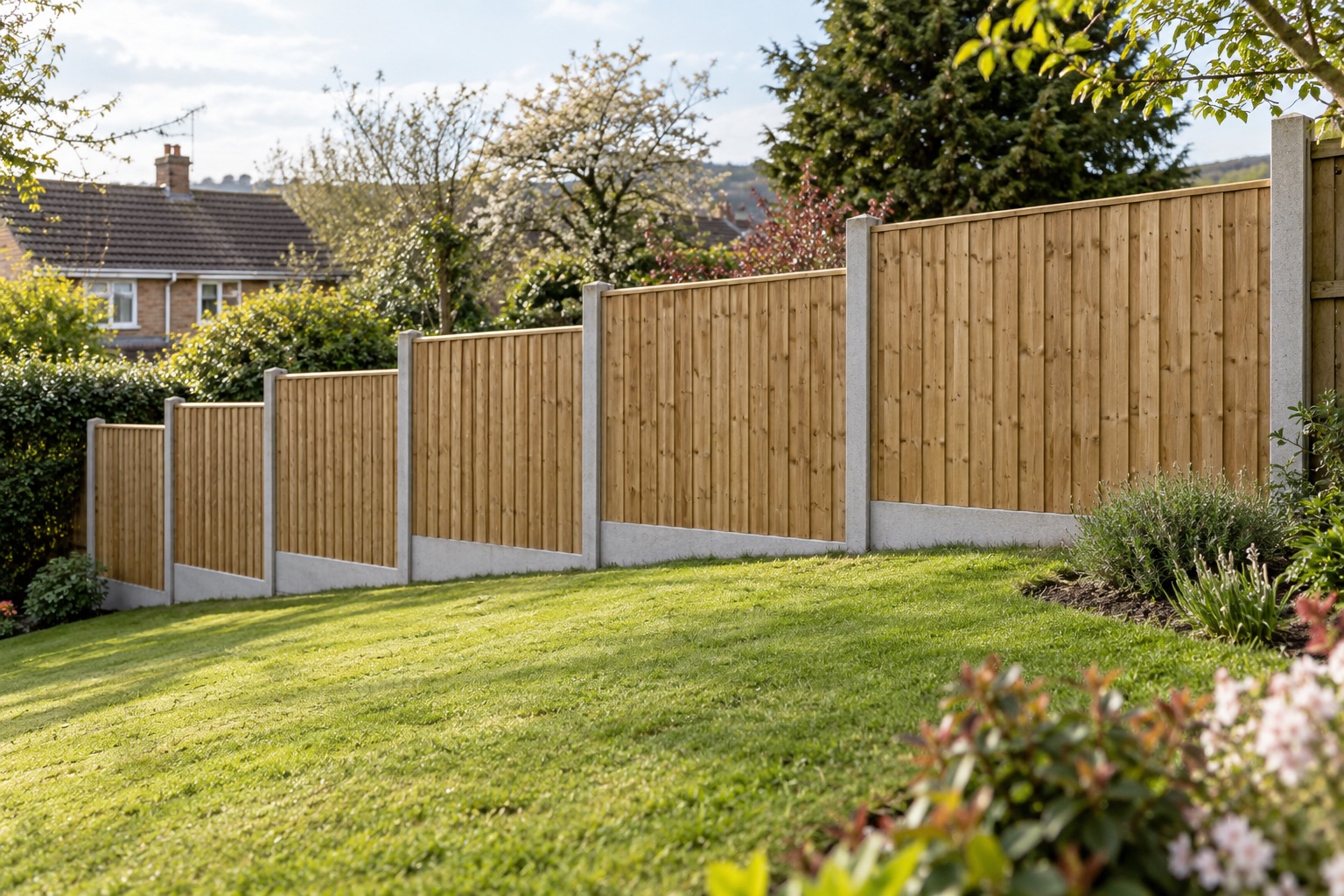
Fencing on slopes and uneven ground: stepping or following the gradient?
Compare stepped and sloping layouts, bottom gaps, posts, gates and retaining questions before agreeing a fence for an uneven garden.
Read the guide ↗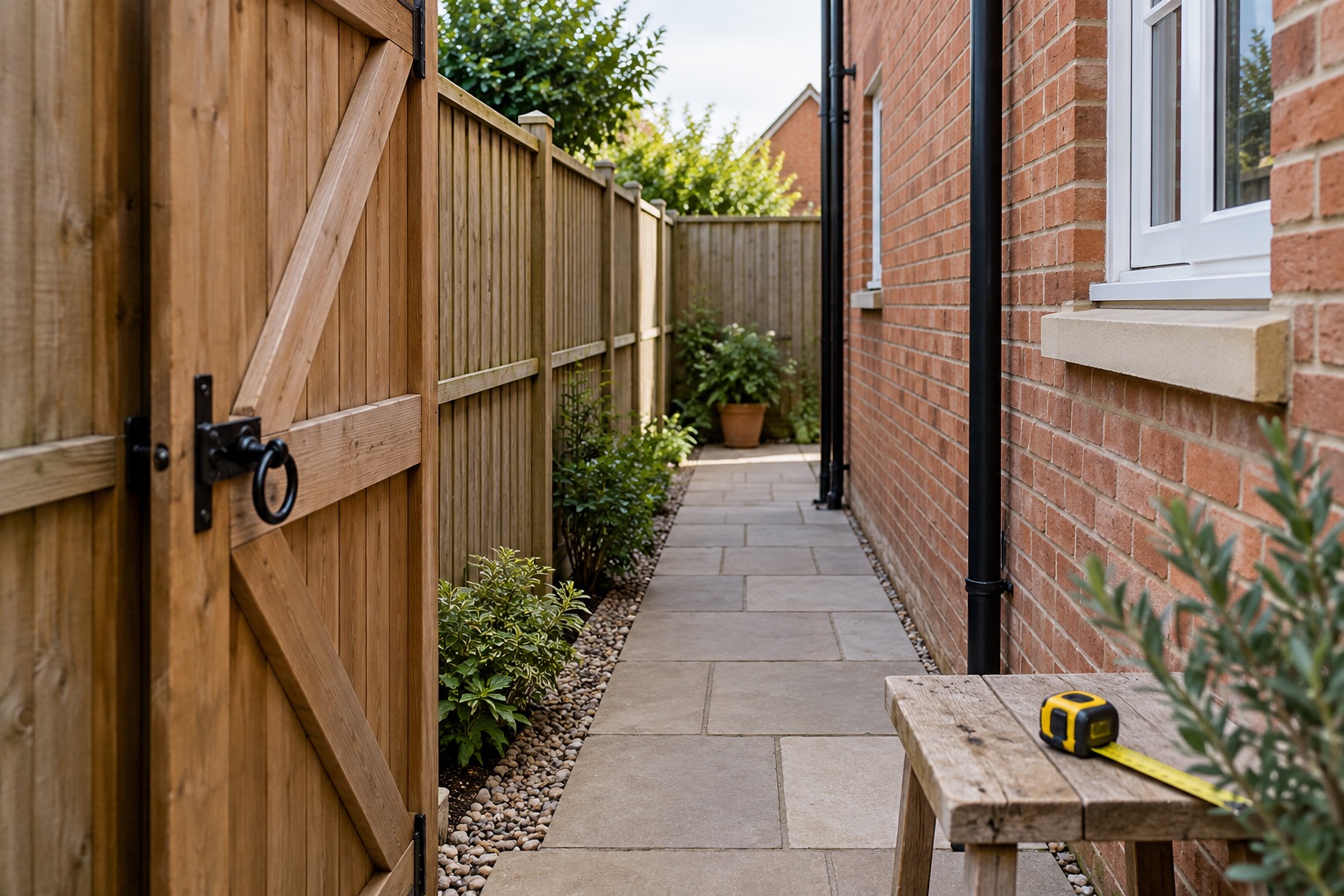
Fence installation with narrow or difficult access
Record gates, turns, steps and carrying routes, then compare construction, protection and removal arrangements for a restricted-access fencing job.
Read the guide ↗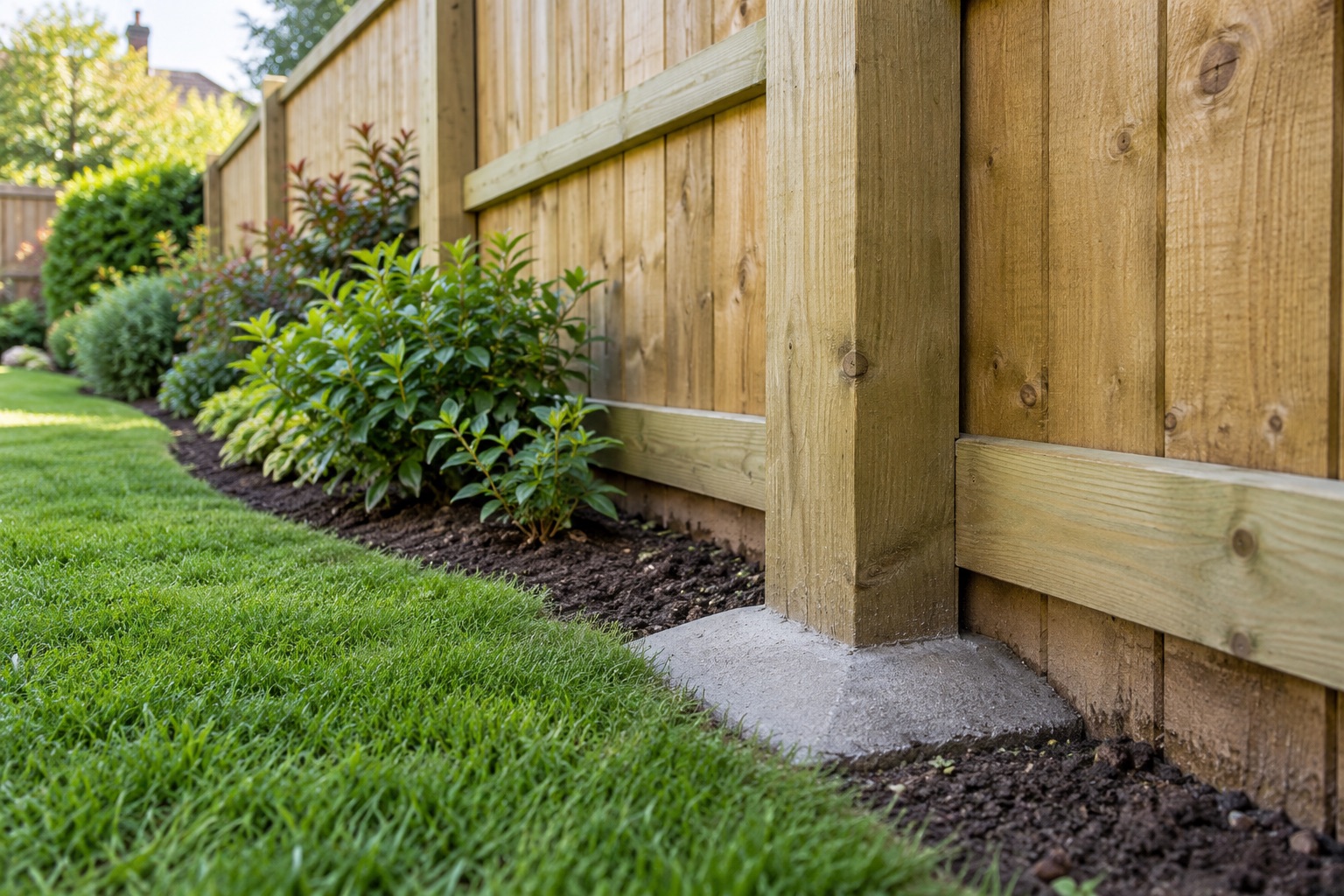
Fence post foundations: what should your installation include?
Understand the questions behind post foundations, ground assumptions, concrete products and retained bases without relying on a universal hole depth or bag count.
Read the guide ↗
Can you reuse fence posts and existing foundations?
Assess retained posts, panel compatibility, concealed condition and old concrete before relying on reuse as a fencing saving.
Read the guide ↗
Installing fencing near trees, roots and hedges
Plan fence positions, clearance, tree protection, planting and wildlife checks, with Bedford Borough resources for protected trees and conservation areas.
Read the guide ↗
Pipes and cables: checks before digging fence post holes
Prepare service information, understand the limits of plans and locators and clarify the investigation process before fencing excavation or foundation removal.
Read the guide ↗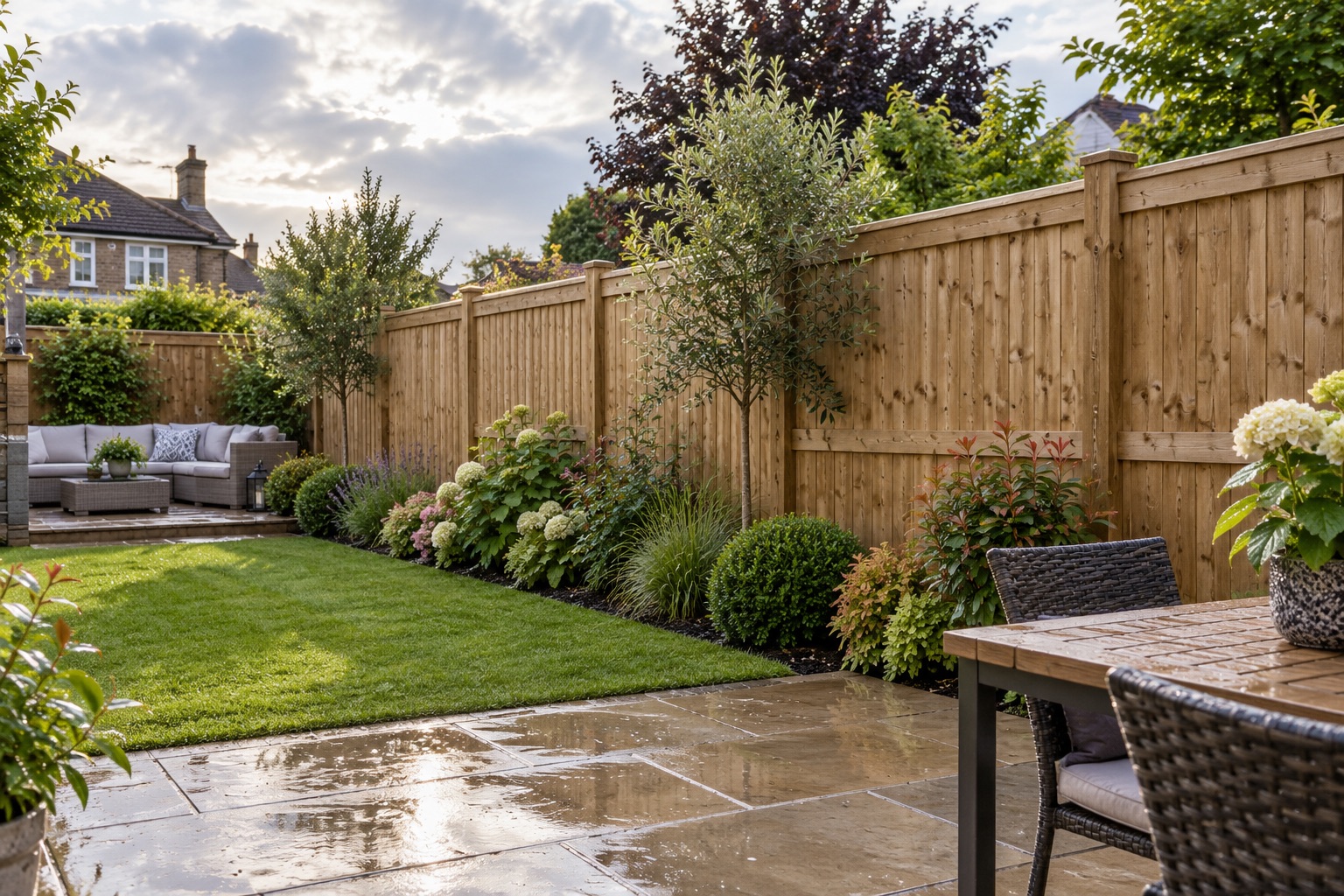
Can fencing be installed in rain, wind or cold weather?
Plan for weather-sensitive handling, ground conditions, foundation products, delays and an unfinished boundary without assuming one rule suits every job.
Read the guide ↗
Who pays to repair or replace a shared garden fence?
Separate maintenance obligations, voluntary contributions and upgrades, then agree scope, payment and changes before commissioning a boundary fence.
Read the guide ↗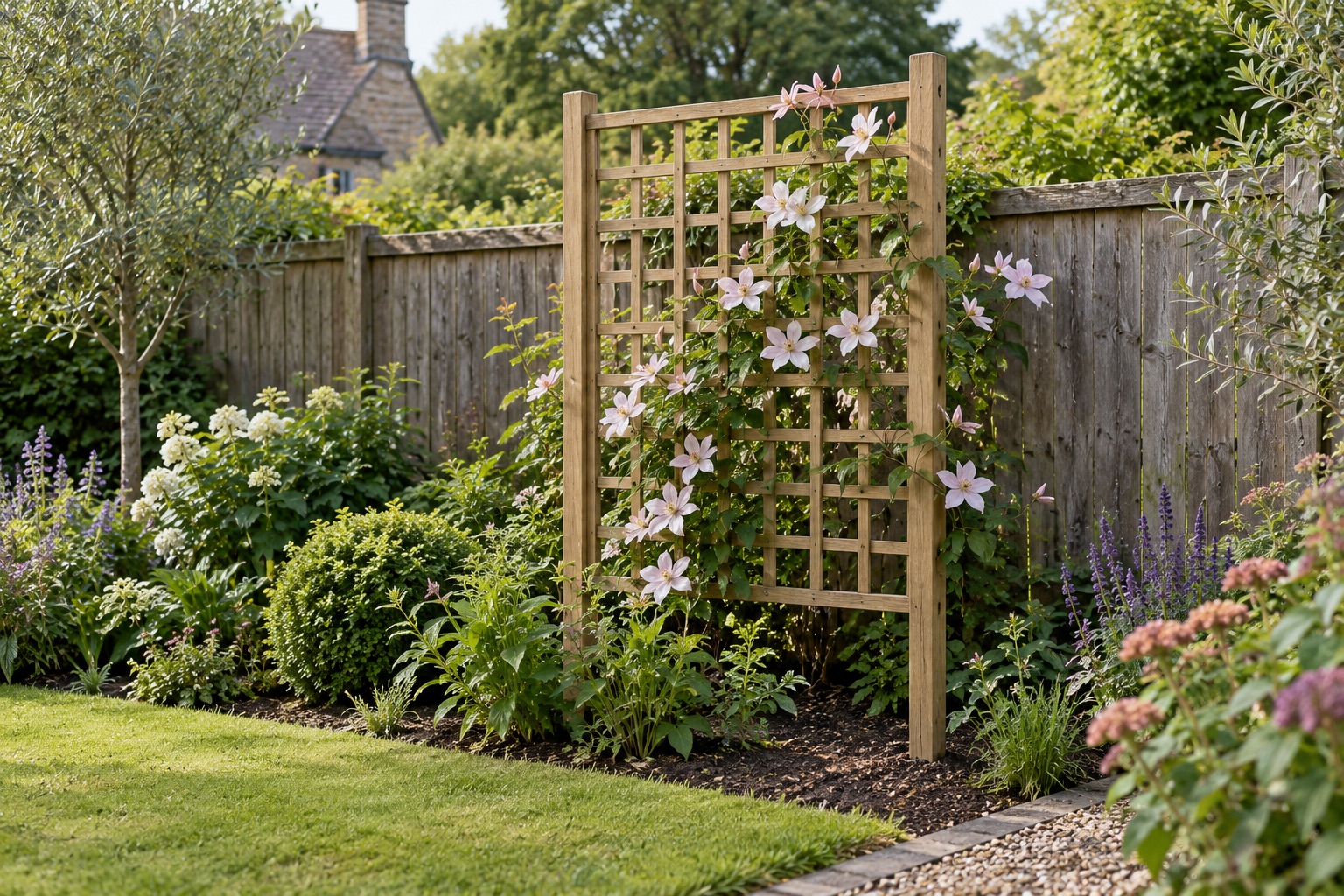
Can you paint or attach things to your neighbour’s fence?
Check permission before painting, drilling, hanging planters or adding trellis, and consider independent screens and suitable supports.
Read the guide ↗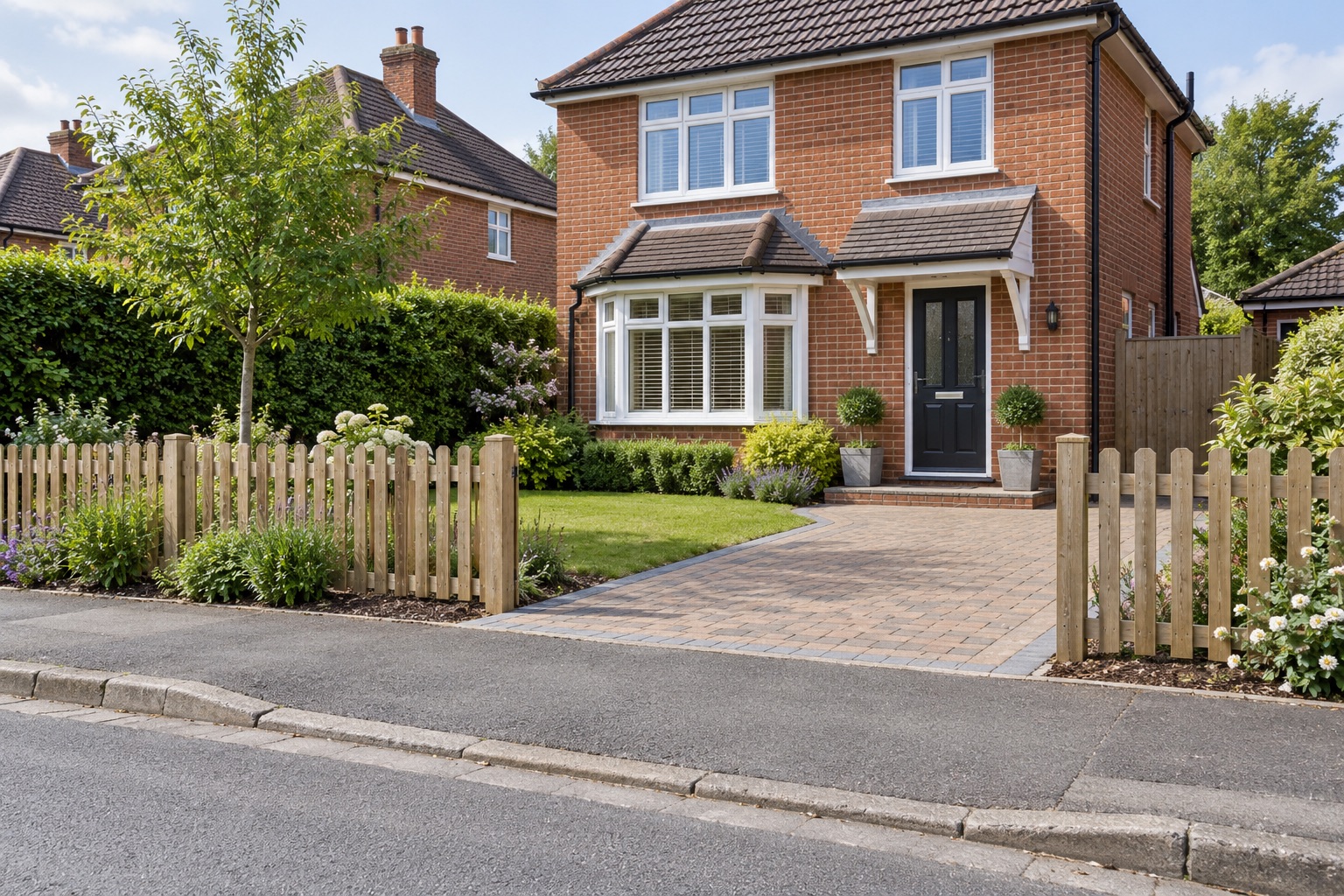
Fence heights beside roads, paths and driveways
Understand the roadside height starting points, describe highway adjacency and ground levels, and check visibility and Bedford-area planning constraints.
Read the guide ↗
Access to your neighbour’s garden for fence work
Arrange fencing access clearly, including the route, timing, protection, cleanup and what to do if permission or legal rights remain unresolved.
Read the guide ↗
Fence and boundary disputes: practical steps before work starts
Define the disagreement, organise documents and photographs, understand the roles of advisers and mediation, and avoid commissioning work on an unresolved basis.
Read the guide ↗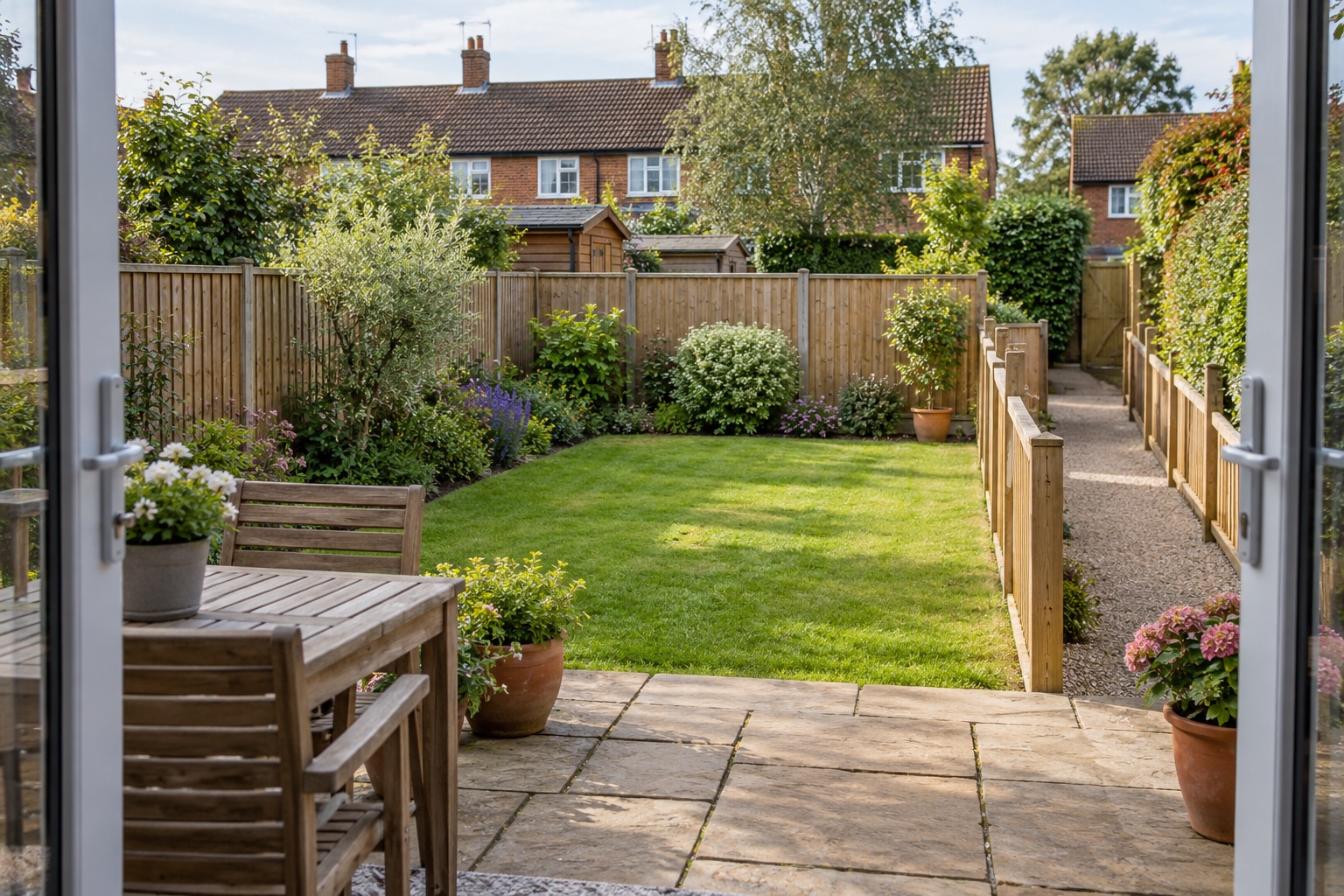
Fencing for tenants, landlords and leaseholders
Clarify repair reporting, tenancy and lease checks, authority to commission work, managed areas and separate consent and payment arrangements.
Read the guide ↗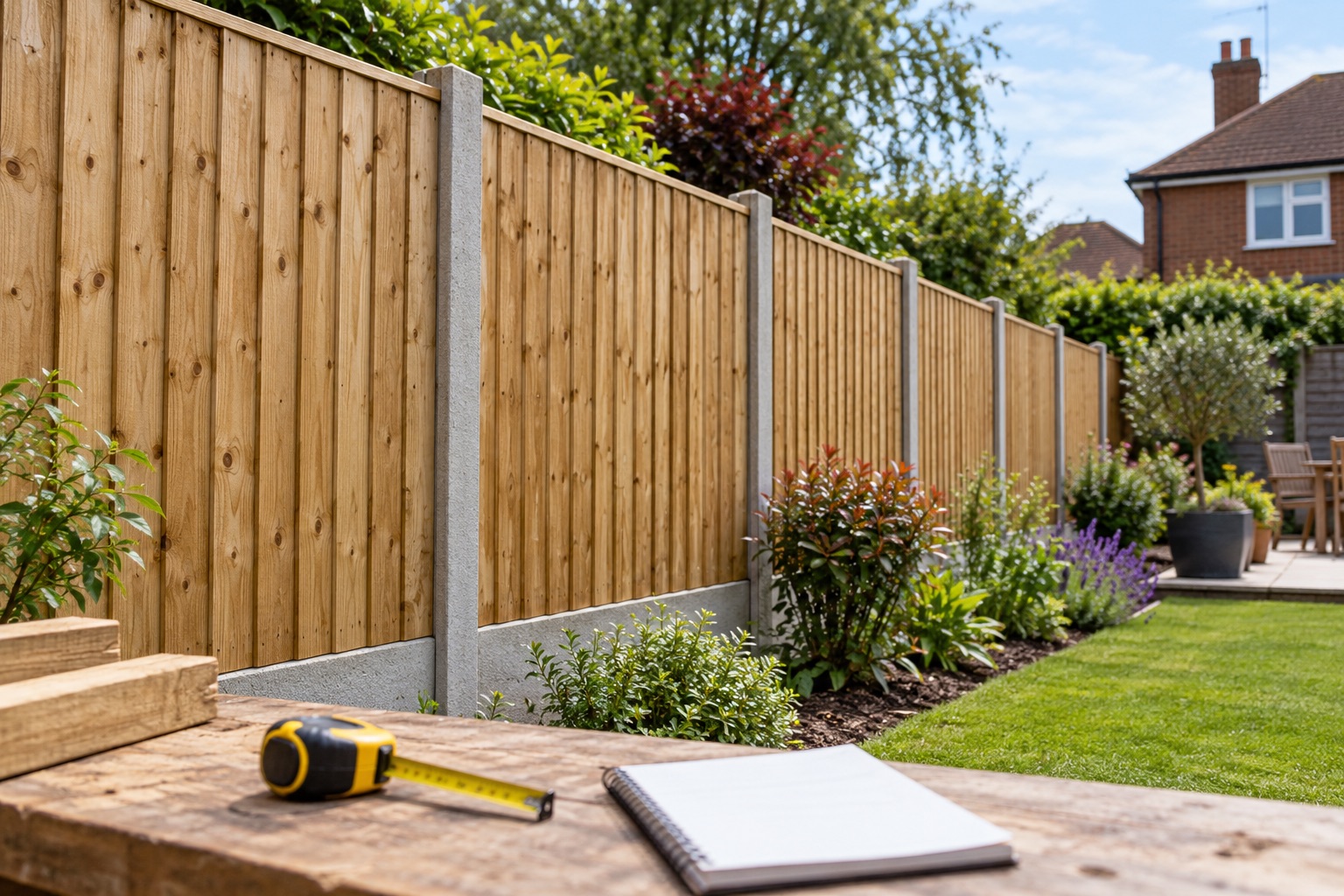
Fence measurements explained: metres, feet, panels, bays and posts
Convert fencing dimensions, distinguish panels from bays, understand simple post counts and prepare a clear measurement brief without guessing a materials order.
Read the guide ↗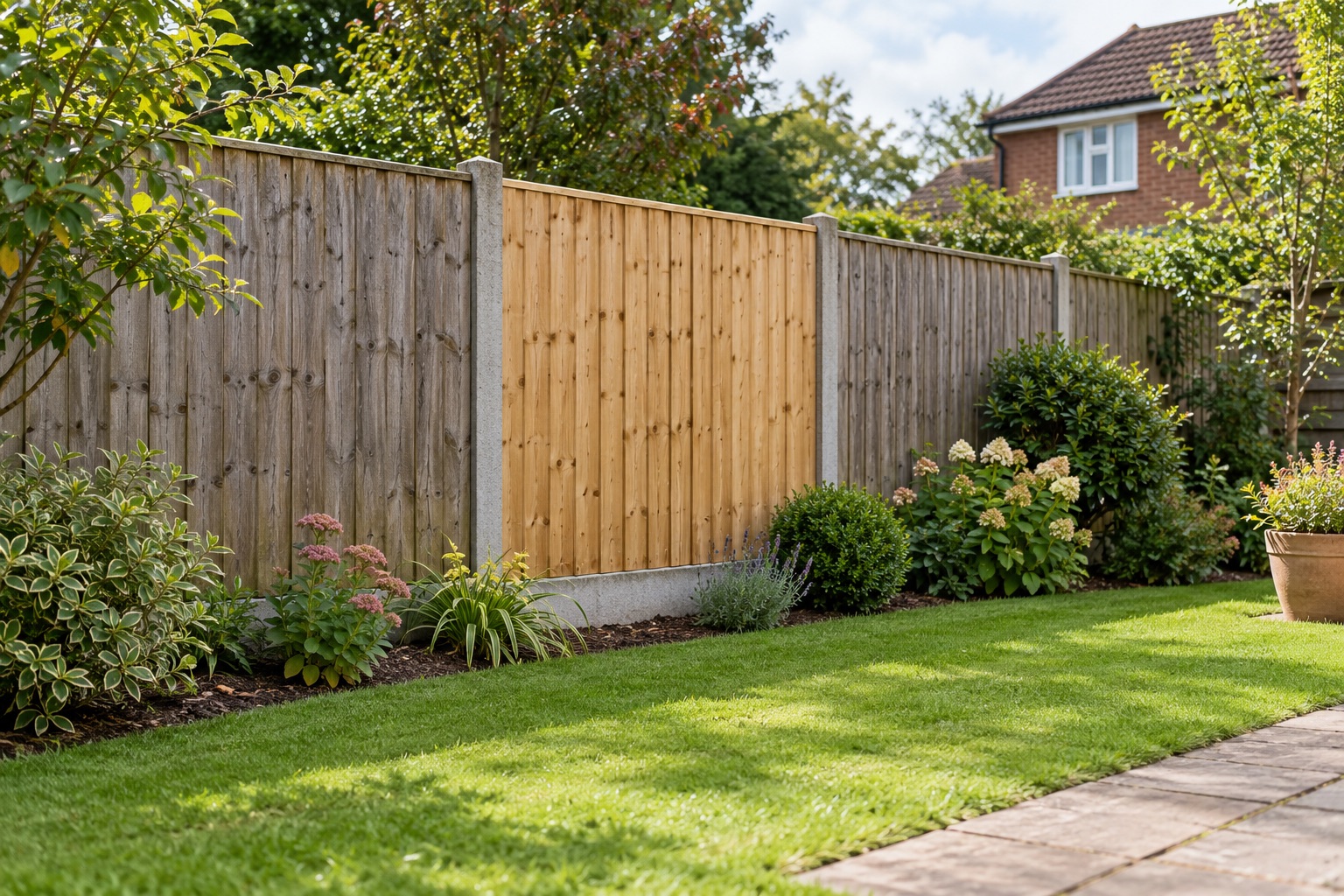
Fencing on a budget: repair, replace or upgrade?
Prioritise essential fencing work, compare repair and replacement scopes, and plan sensible stages without hiding necessary costs.
Read the guide ↗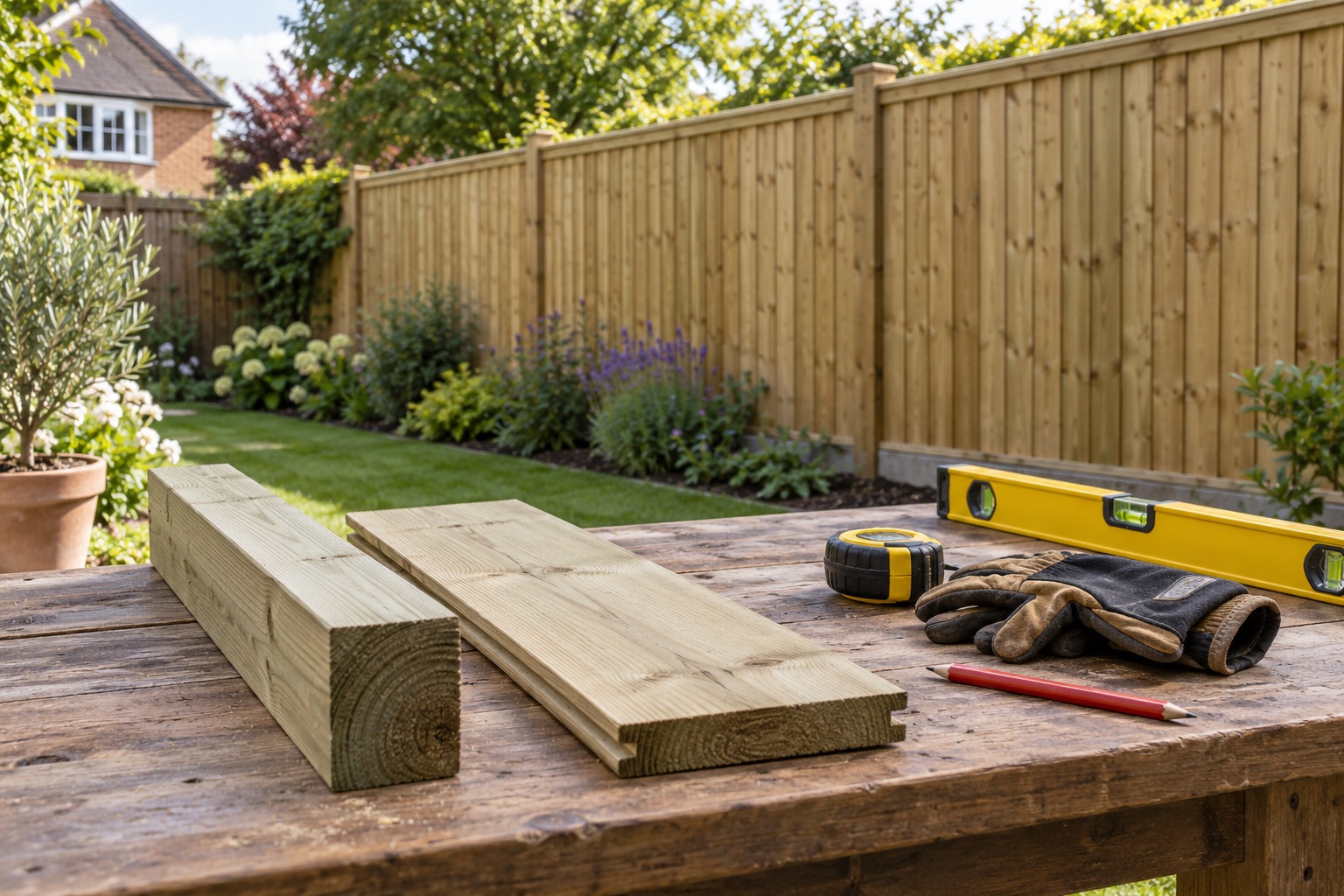
DIY or professional fence installation: compare the full cost
Compare complete DIY and installed fencing budgets, including tools, time, access, disposal, site difficulties and responsibility for the finished job.
Read the guide ↗
Title plans and T marks: checking your fencing documents
Understand how to organise title plans, registers and deeds before fence work, with clear limits on red edging, T marks and boundary assumptions.
Read the guide ↗
How to discuss fence replacement with your neighbour
Plan a constructive neighbour conversation about fence design, position, contributions, access and timing before commissioning the work.
Read the guide ↗
How to choose garden fencing: a complete homeowner’s guide
A practical guide for Bedford-area homeowners choosing fence styles, height, posts and an installed specification that suits their garden.
Read the guide ↗
Closeboard versus overlap fencing: what should you choose?
Compare closeboard and overlap fencing by construction, appearance, repairs and the complete installed specification—not just the panel price.
Read the guide ↗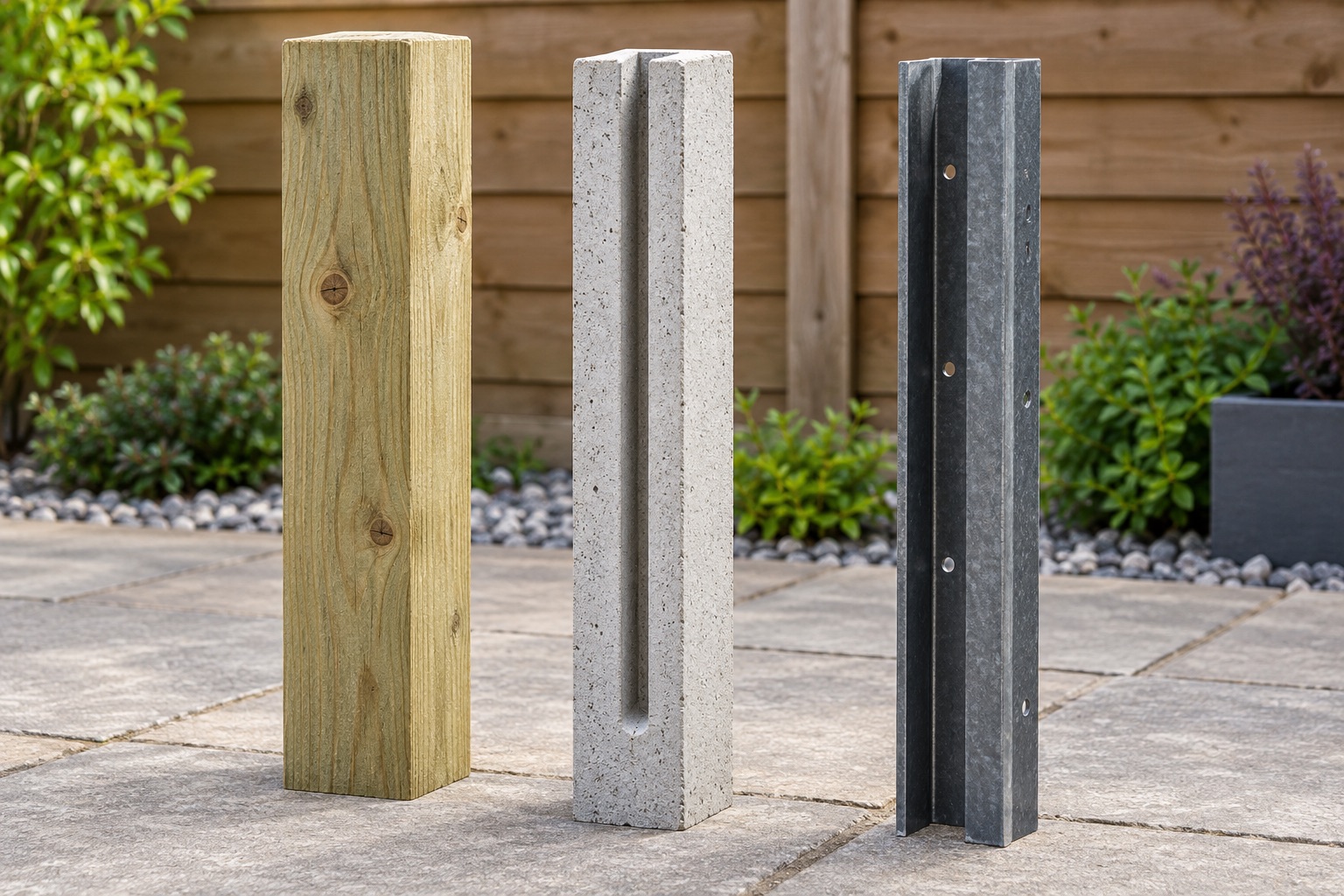
Timber, concrete or steel fence posts?
An independent comparison of timber, concrete and steel fence posts, including compatibility, installation questions, future repairs and Bedford property checks.
Read the guide ↗
Should you repair or replace your fence?
Work out which fence faults need assessment, compare a targeted repair with replacement and prepare a useful Bedford-area project brief.
Read the guide ↗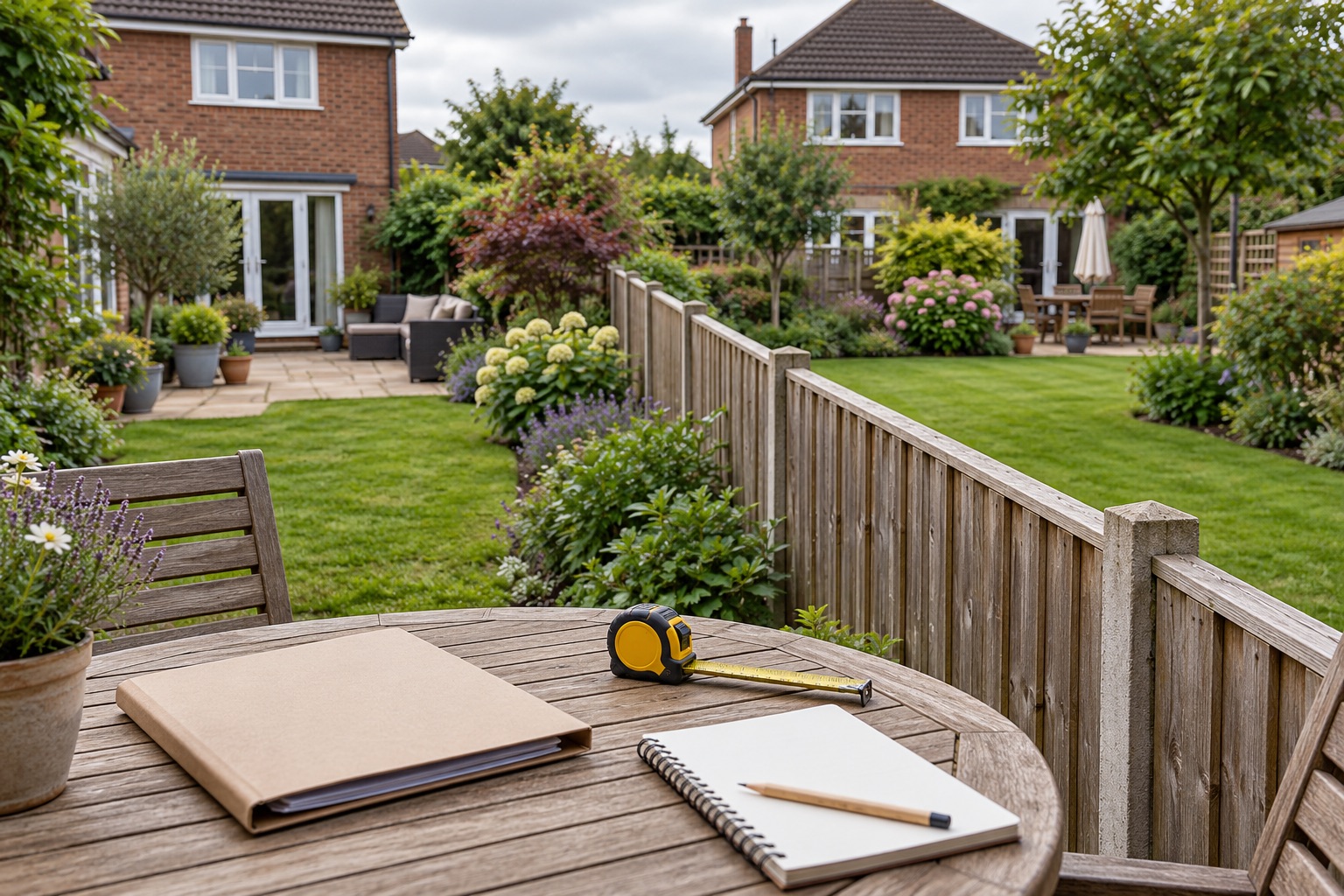
Which fence is mine? Ownership and maintenance responsibility
A practical guide to fence ownership questions, title documents, boundary myths and neighbour discussions for Bedford-area homeowners.
Read the guide ↗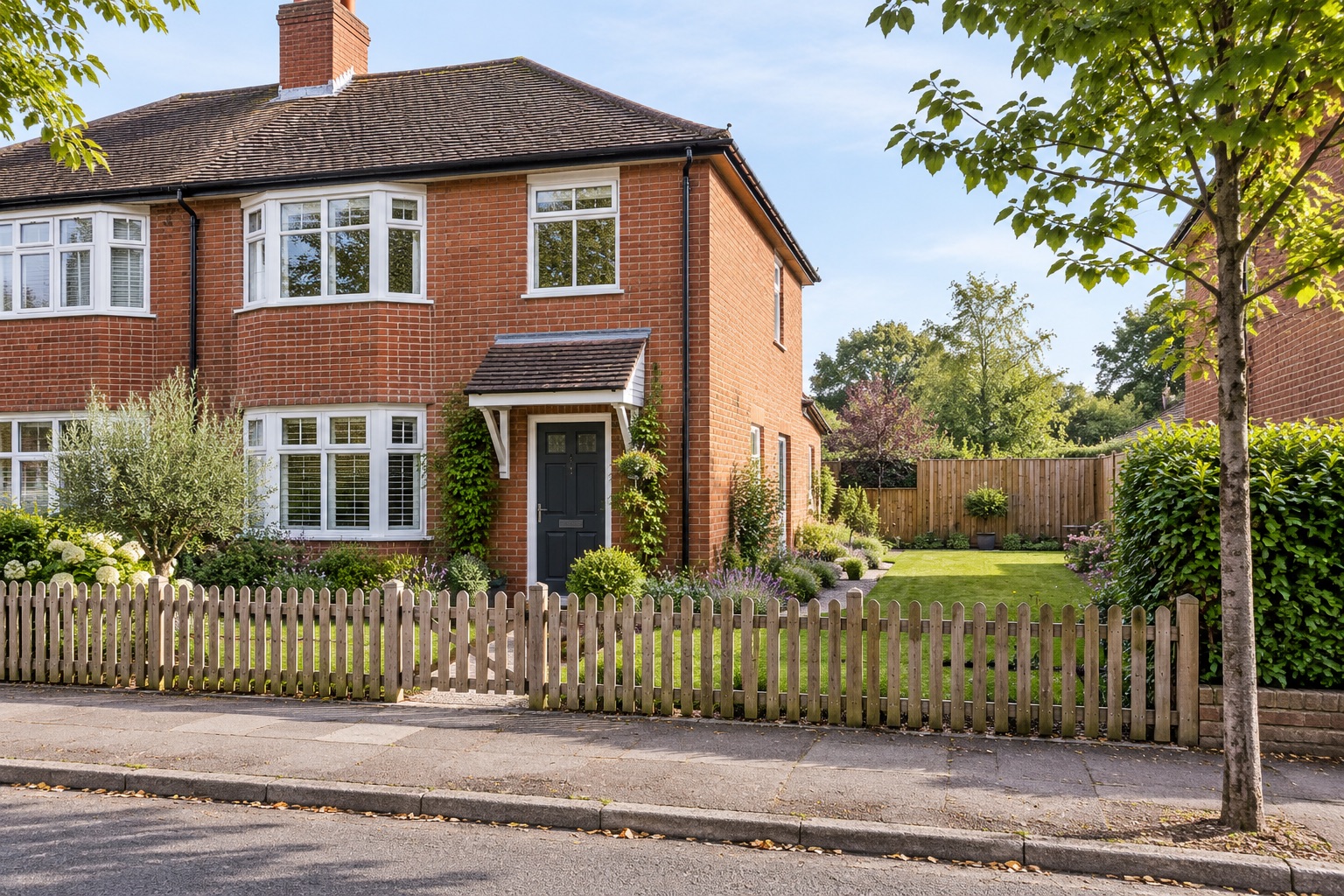
Fence heights and planning permission in Bedford
Check ordinary fence-height limits, listed-building and conservation-area questions, Bedford planning resources and the right route for formal confirmation.
Read the guide ↗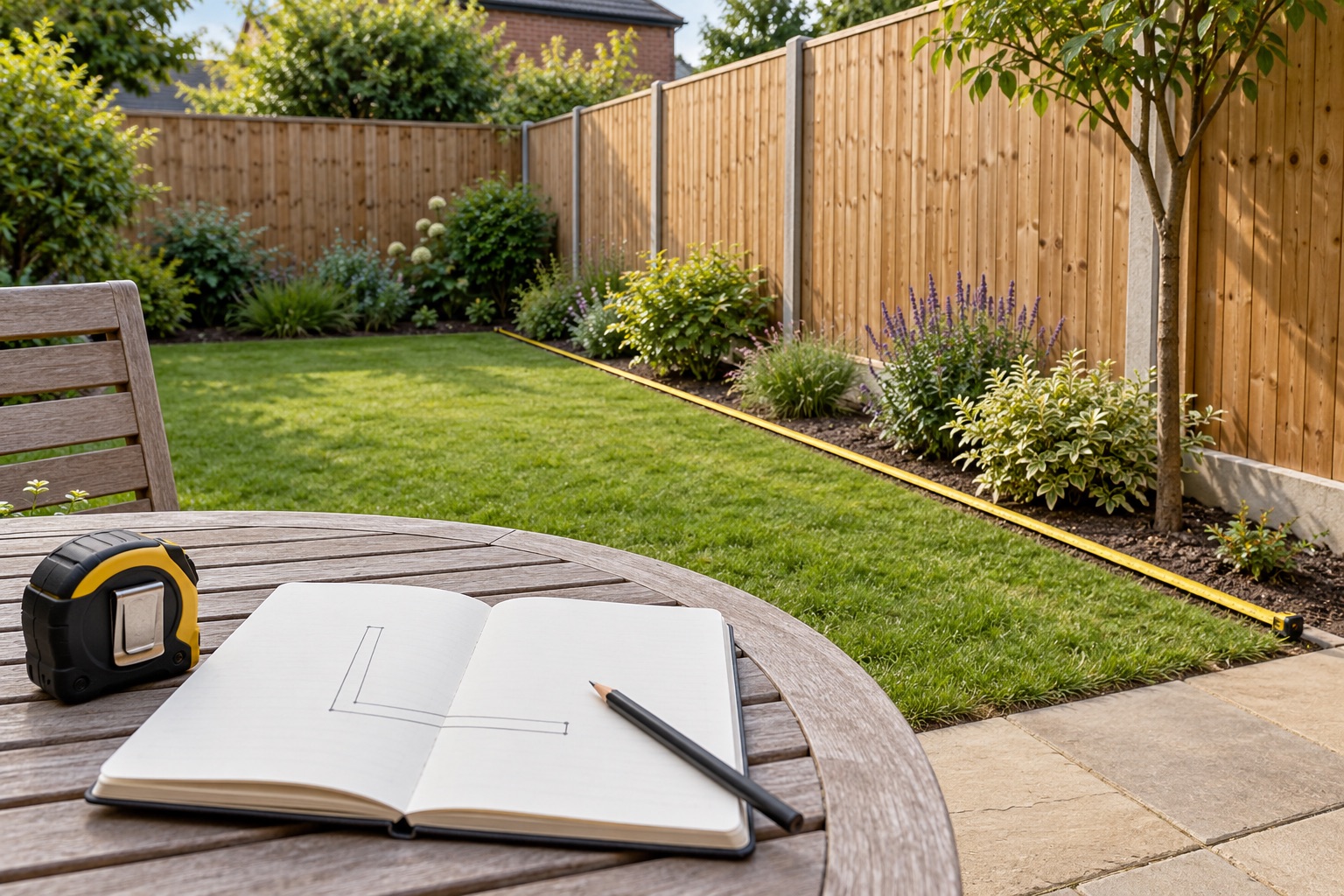
How to measure your garden for a fencing quotation
Measure fence runs, record gates and level changes, and prepare photographs and an access brief without turning rough measurements into a materials order.
Read the guide ↗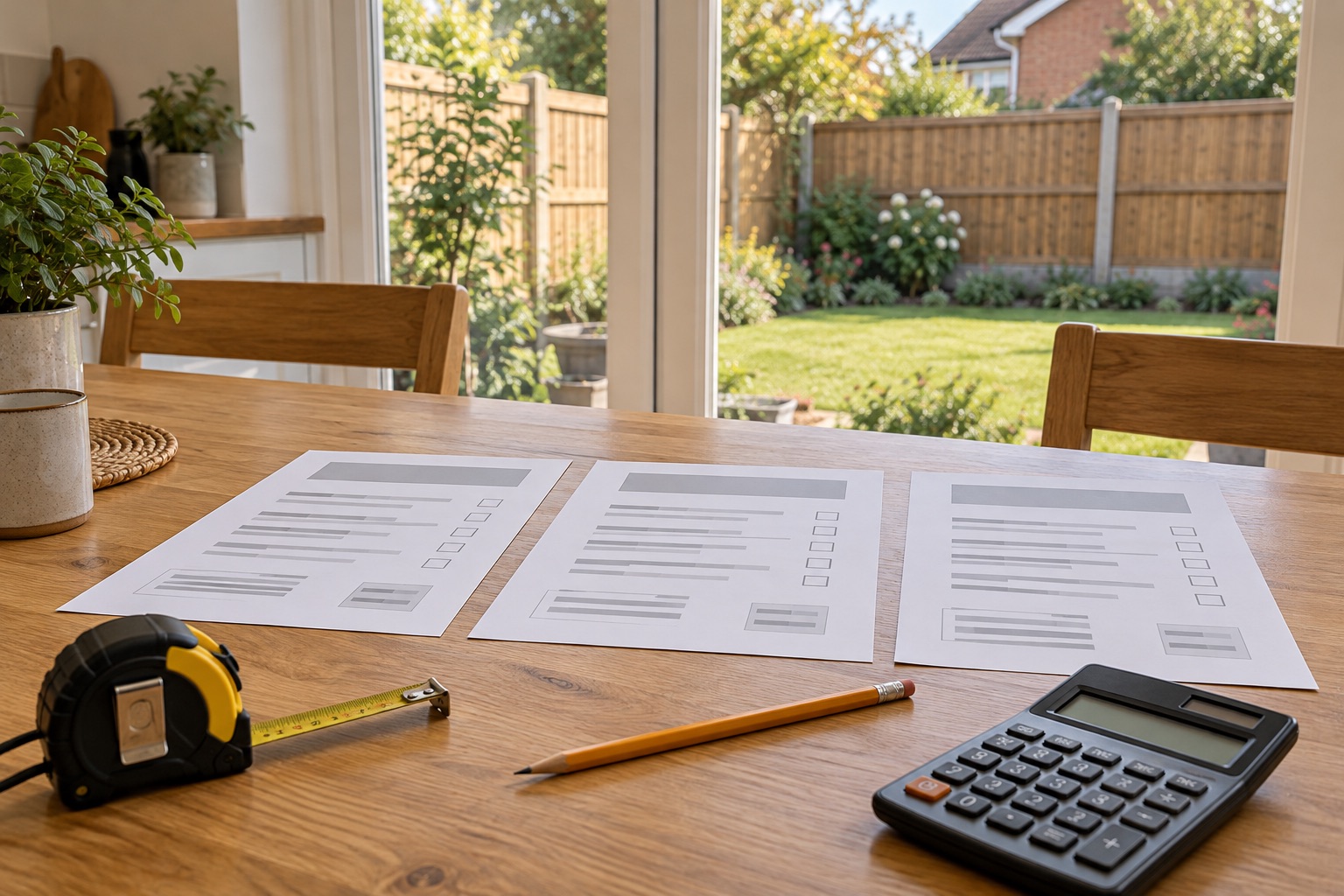
How to compare fencing quotations properly
Compare the full fencing specification, removal work, exclusions, VAT and written terms before deciding which installed price offers the right value.
Read the guide ↗
Pre-made fence panels or fencing built on site?
Compare panelled and site-built closeboard fencing, including appearance, slopes, access, support systems and future repairs.
Read the guide ↗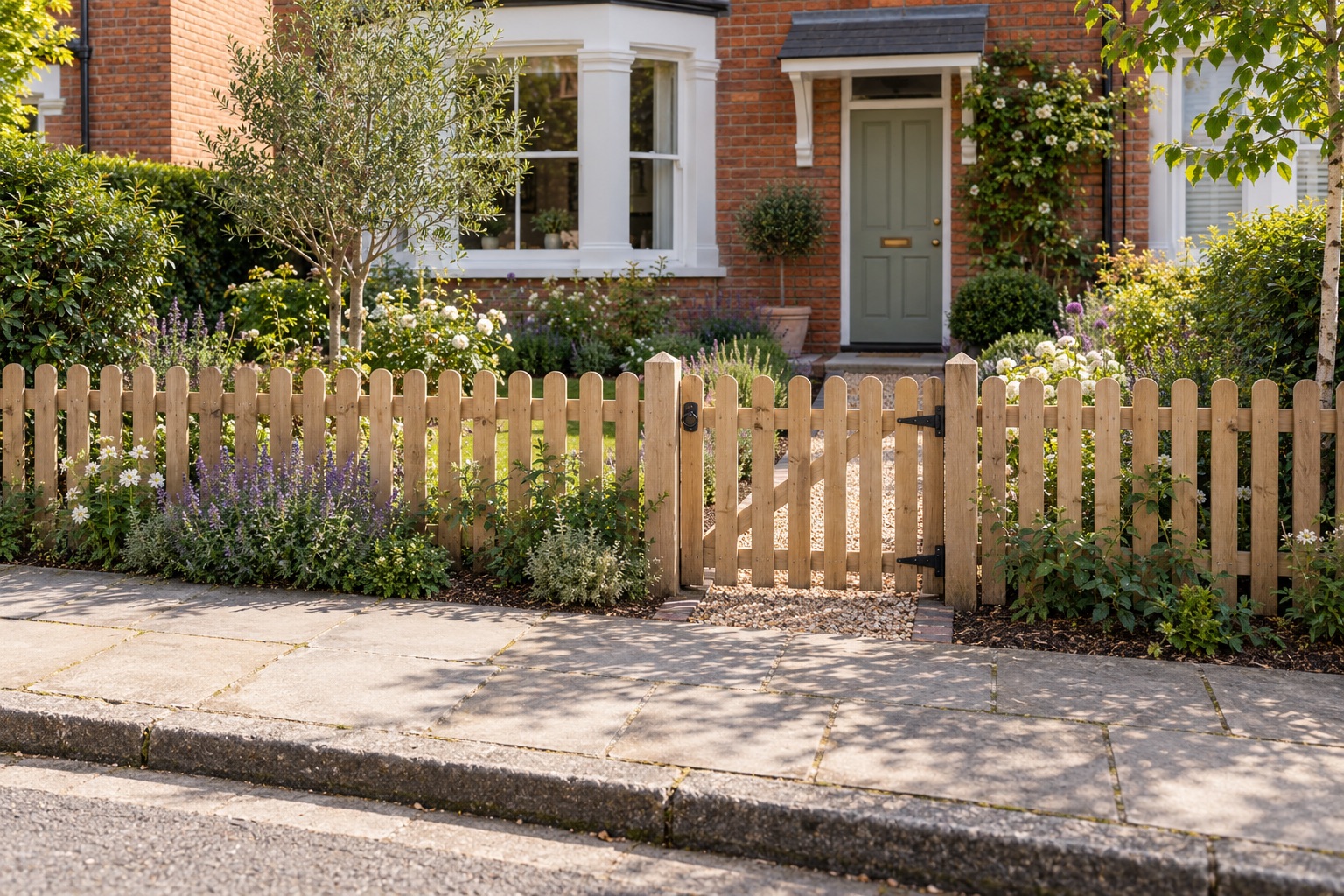
Picket fencing and open front-garden boundaries
Choose an open boundary that suits the frontage, with practical checks for pale spacing, gate openings, visibility, supports and Bedford property constraints.
Read the guide ↗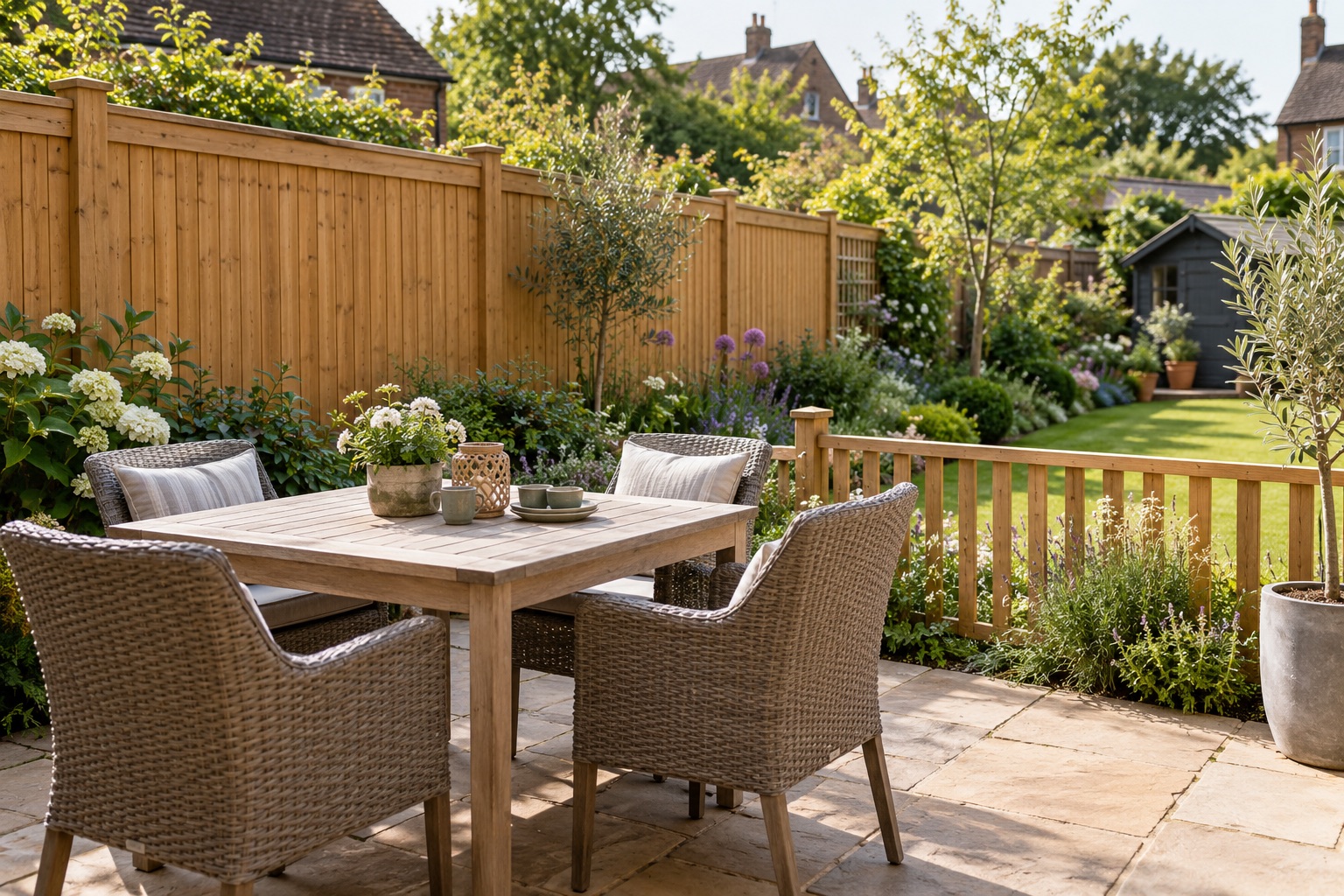
Choosing fence height for privacy, appearance and light
Choose a useful finished fence height around real sightlines, light, planting and garden use, then make the separate address-specific permissions checks.
Read the guide ↗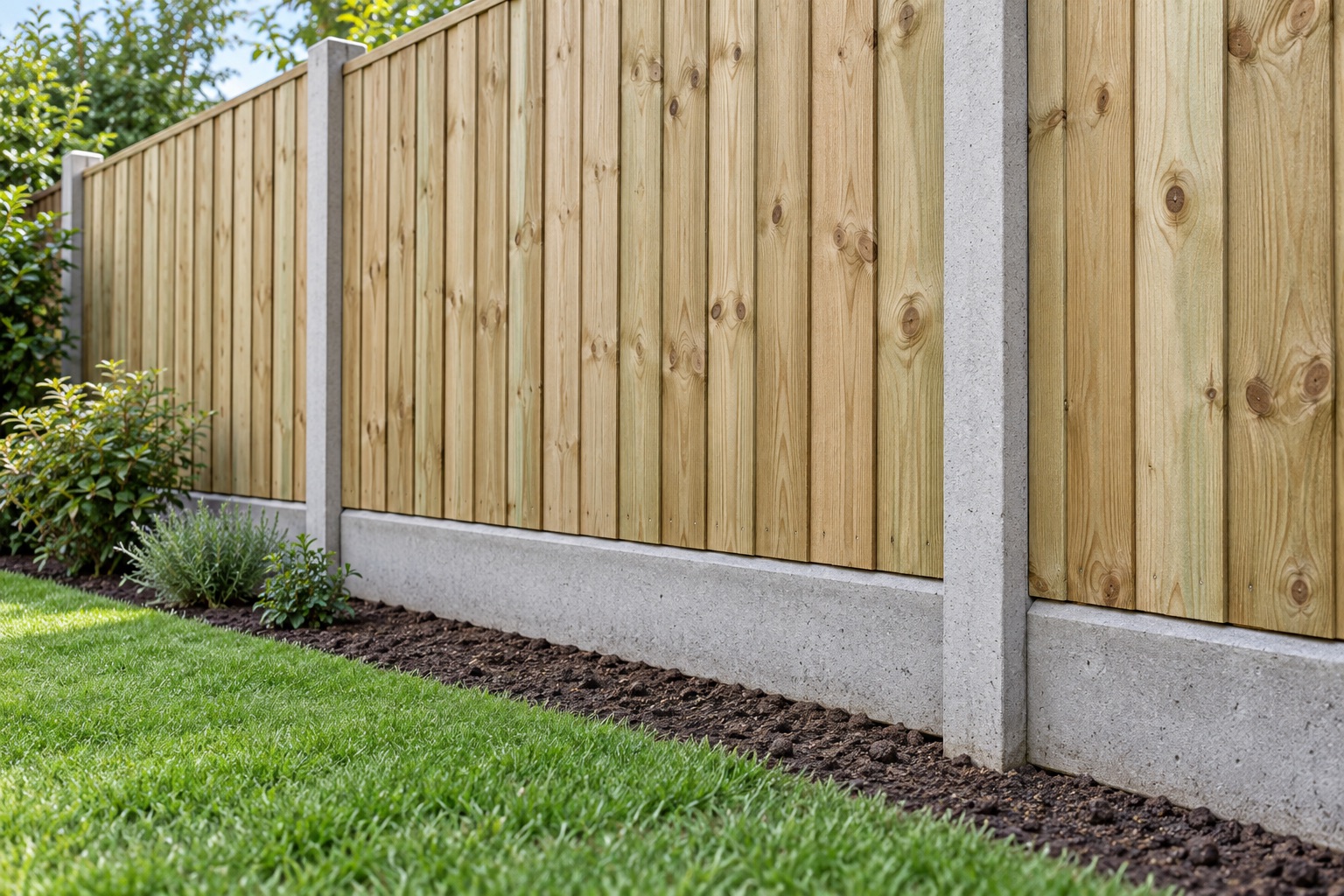
Gravel boards explained: timber, concrete and alternatives
Understand fence base boards, compare materials and check compatibility, ground levels, finished height, wildlife access and future repairs.
Read the guide ↗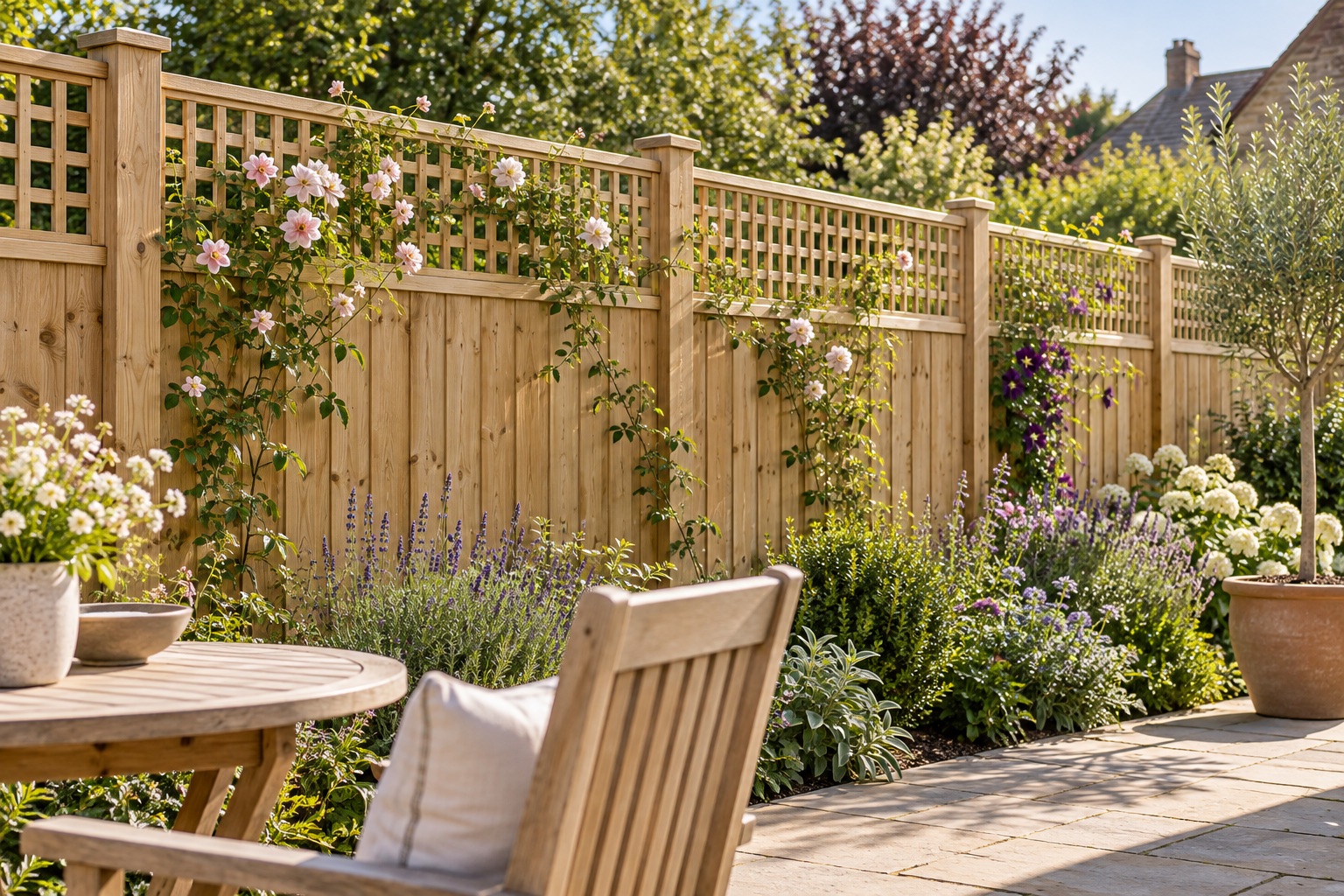
Trellis and fence toppers: what to consider before adding height
Plan trellis and toppers around their purpose, compatible supports, climbers, maintenance, ownership and the total proposed boundary height.
Read the guide ↗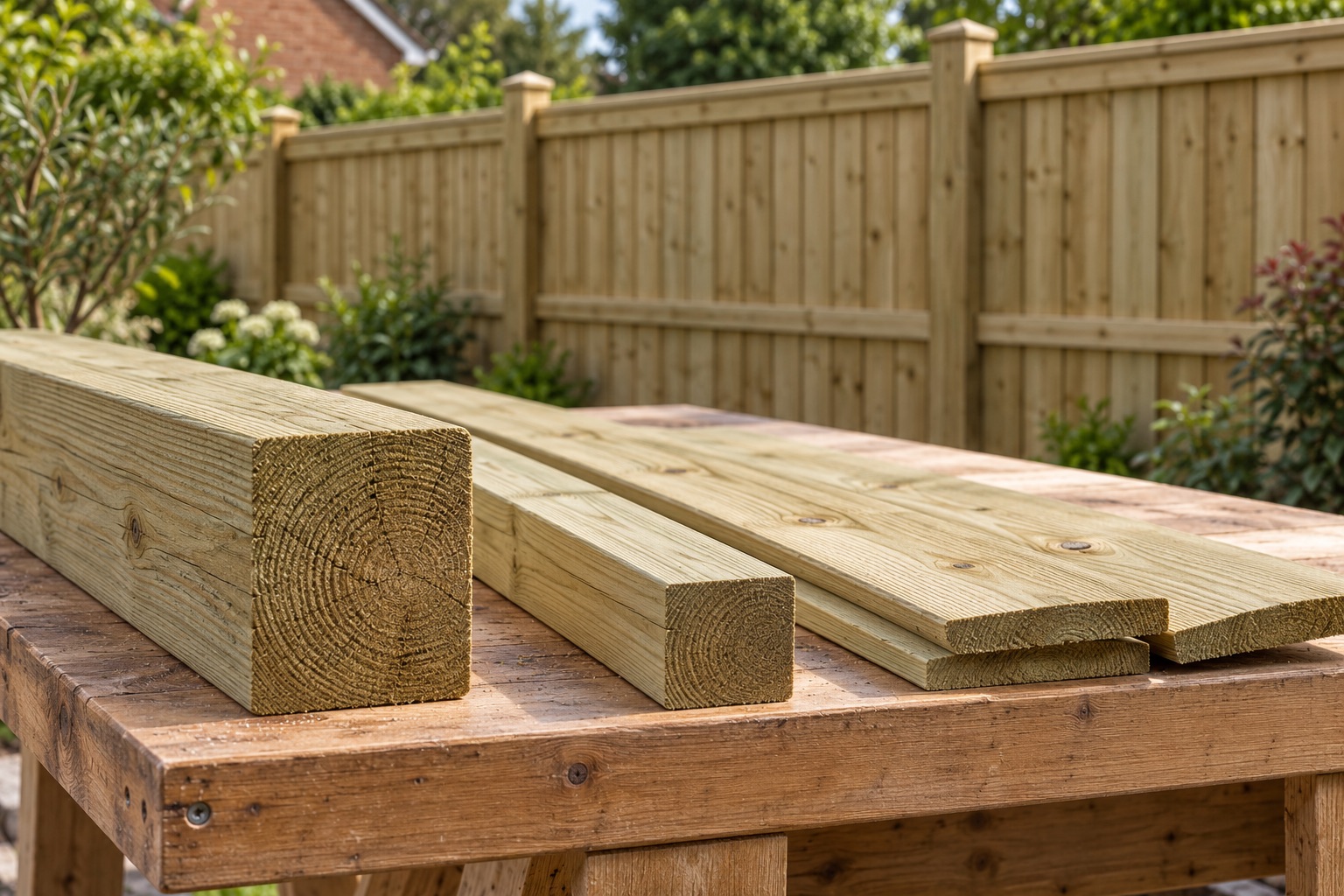
Timber treatment explained: pressure treatment, dipping and use classes
Understand what treated timber means for fencing, which questions to ask about use class, cut ends, maintenance and written product specifications.
Read the guide ↗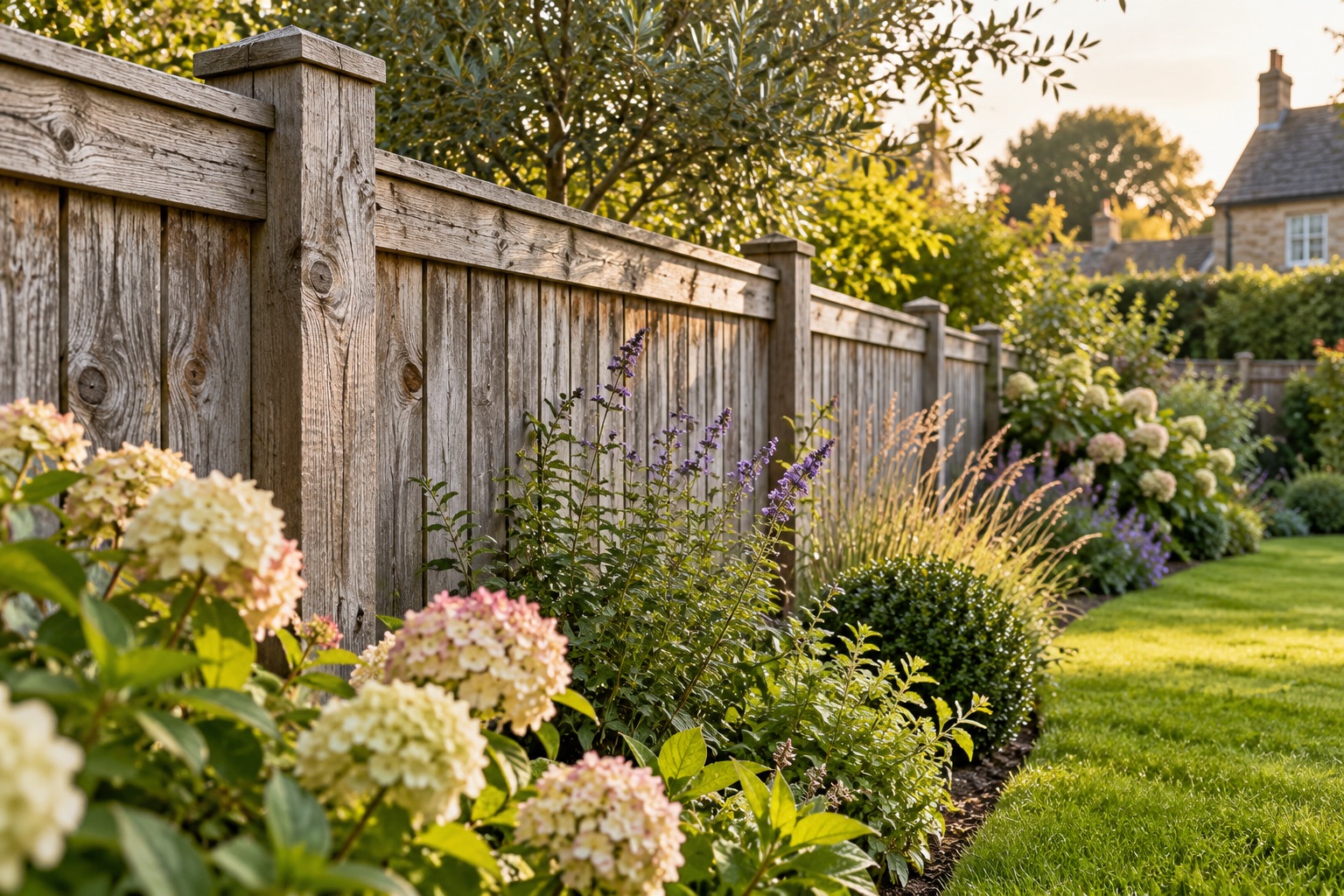
How long should a garden fence last?
Understand fence lifespan, desired service life, warranties, condition and the installation details that affect a boundary over time.
Read the guide ↗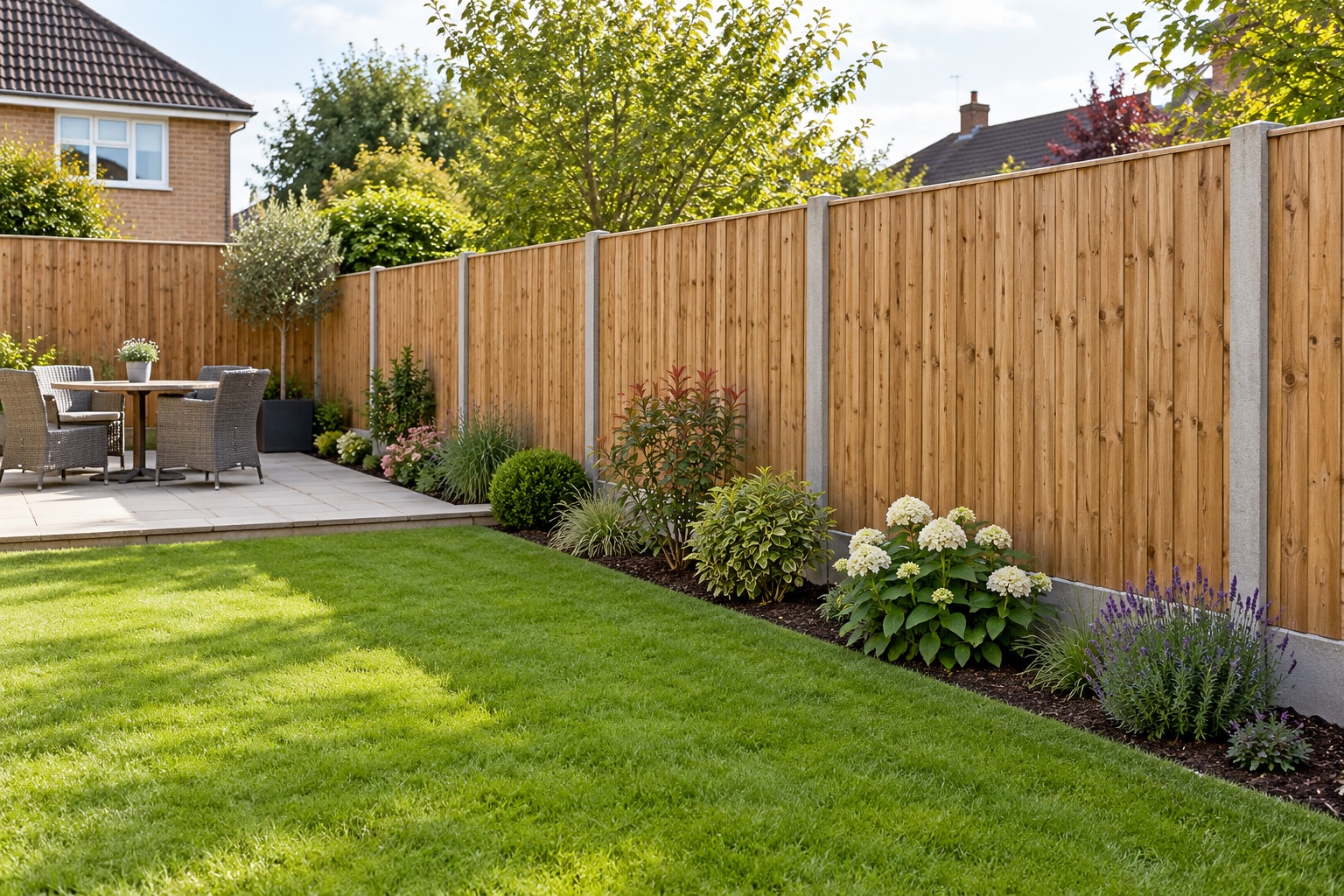
Garden fencing costs: what affects your installed price?
Understand complete installed fencing costs, explore the indicative estimator and compare posts, removal, access, inclusions and written quotations.
Read the guide ↗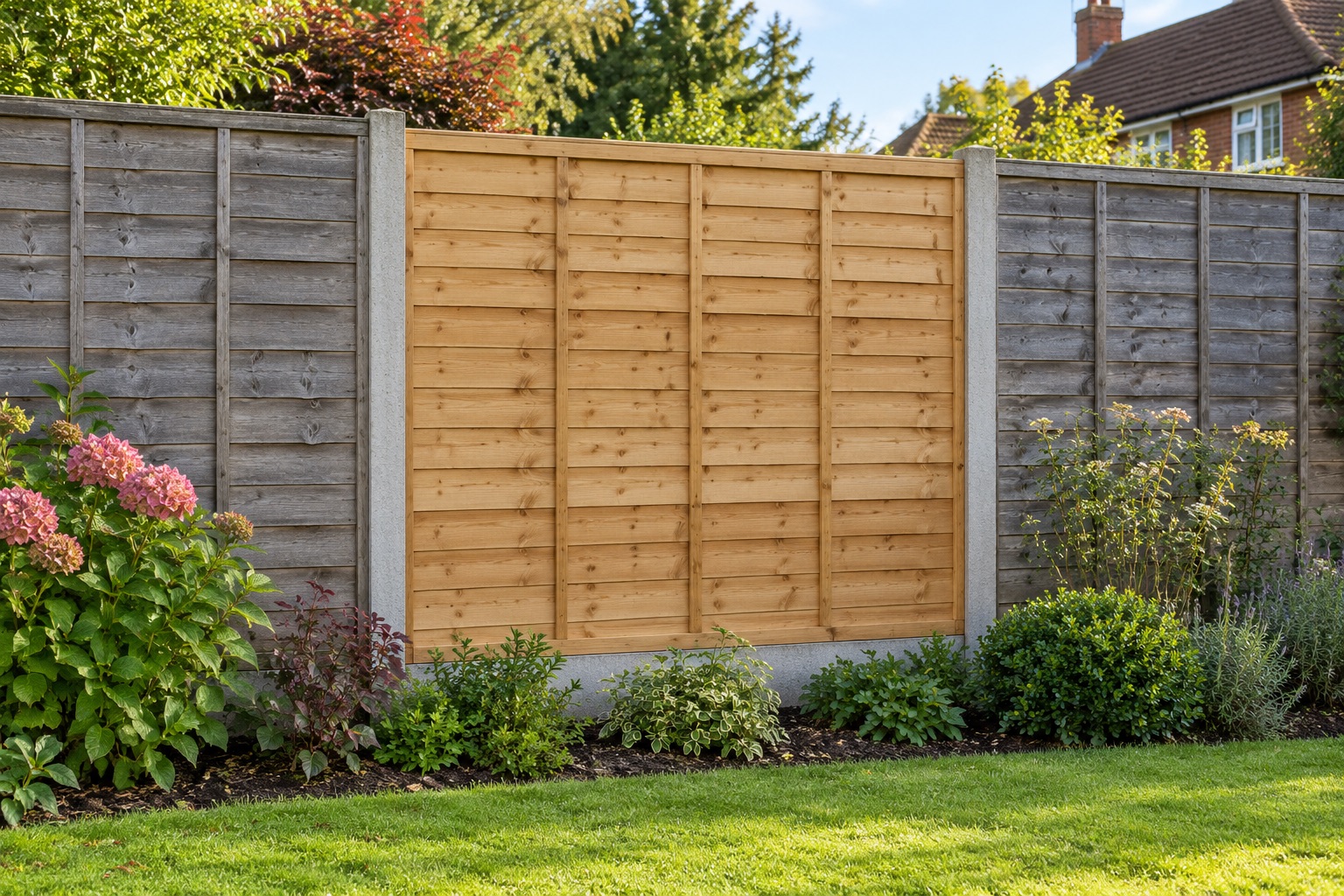
Fence panel replacement costs versus a complete new fence
Compare panel-only replacement with a new fence, understand published UK price context and check supports, access, removal and quote inclusions.
Read the guide ↗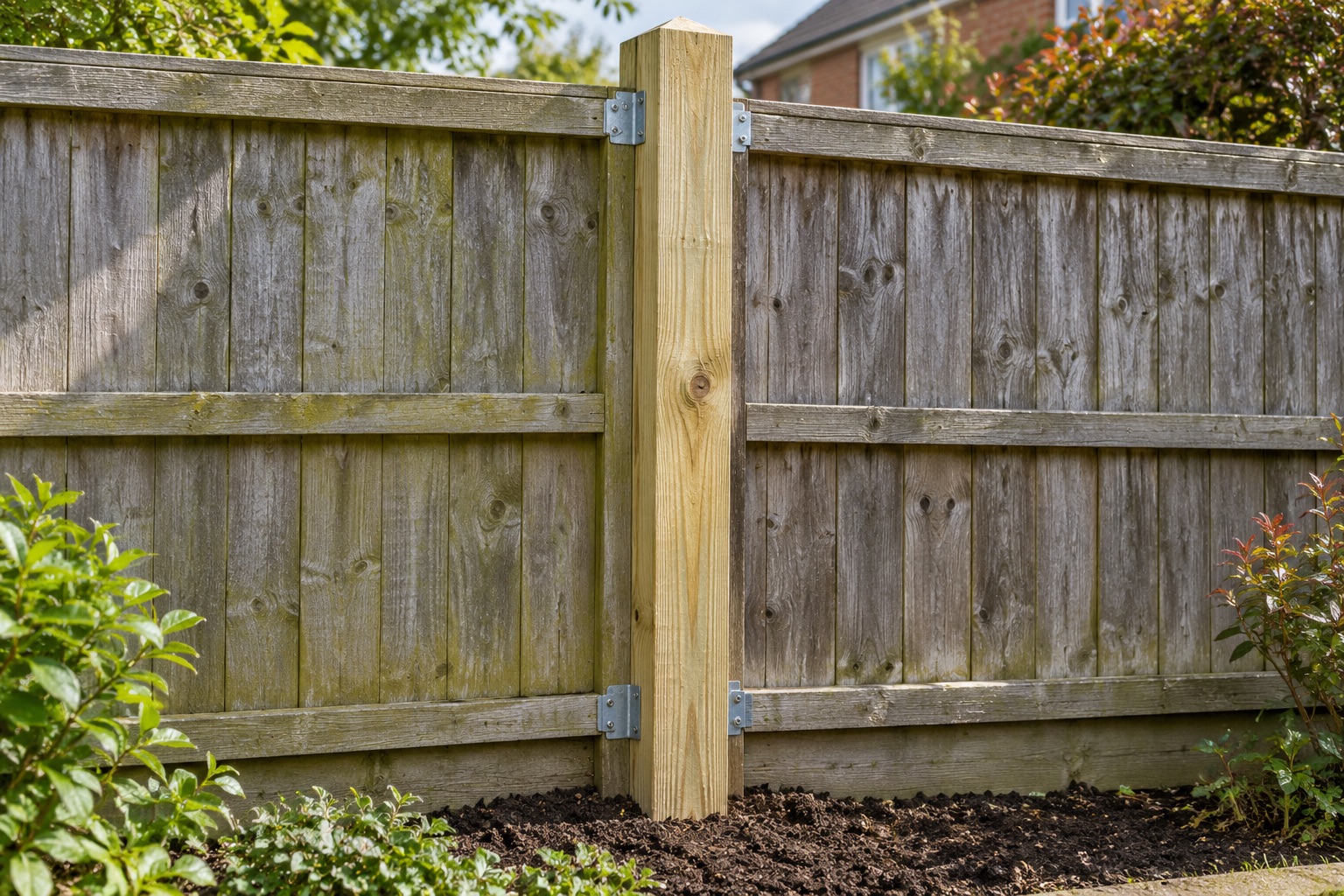
Fence post replacement costs and repair options
Understand the cost of a support repair, including foundations, retained panels, connections, access, disposal and the limits of public guide prices.
Read the guide ↗
Old fence removal and disposal: what should your quote include?
Clarify panels, posts, foundations, handling and disposal, with current Bedford recycling-centre checks and the distinction between household and contractor waste.
Read the guide ↗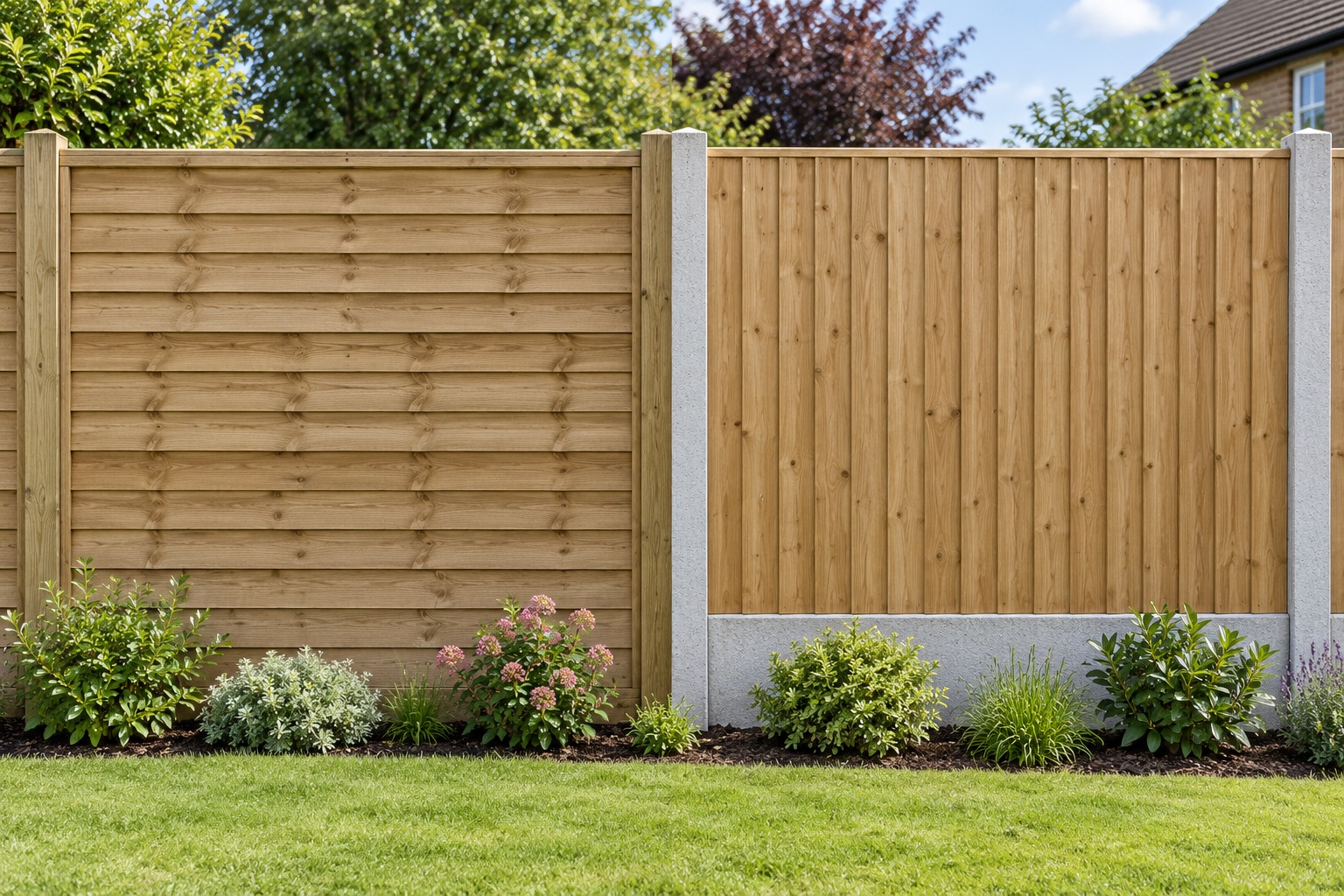
Why fencing quotations differ—and what a cheaper quote may leave out
Investigate price differences through specification, retained components, access, removal and price basis without assuming cheaper means poorer work.
Read the guide ↗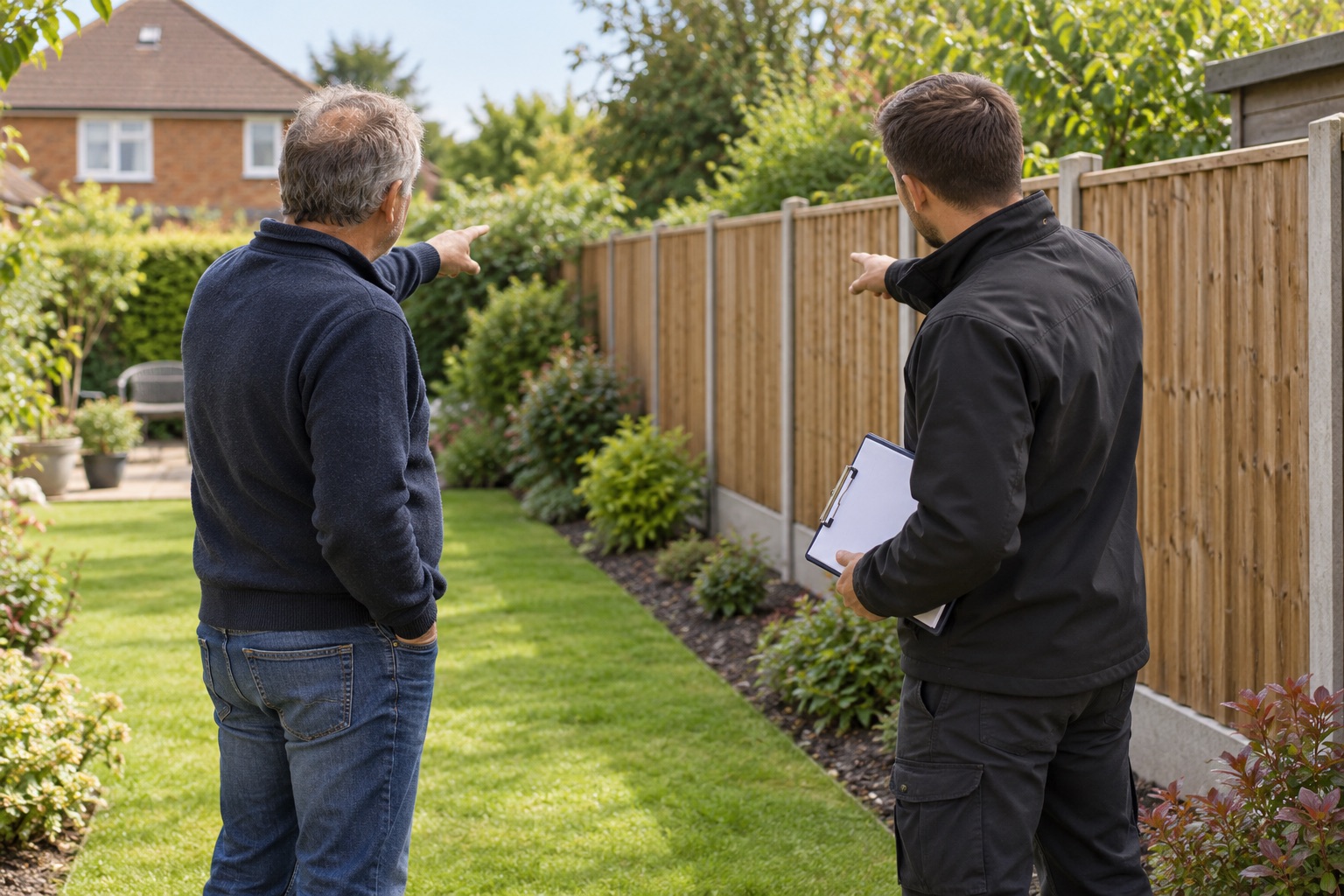
How to choose a fencing installer
Check the business, relevant work, reviews, credentials, insurance and written proposal before choosing an installer for a Bedford-area fencing project.
Read the guide ↗
Deposits, payments, guarantees and fencing paperwork
Understand the written scope, payment stages, changes, cancellation questions and the difference between product guarantees, workmanship terms and consumer rights.
Read the guide ↗Ready to put the advice into a project brief?
Arrange your quote ↗Independent enquiry service. You’ll see the named contractor before sharing personal details.