Preparing for fence installation: garden checklist and installation-day FAQs
Plan access, power and water, deliveries, pets, temporary openings, changes and cleanup, with a garden preparation checklist and installation-day FAQs.
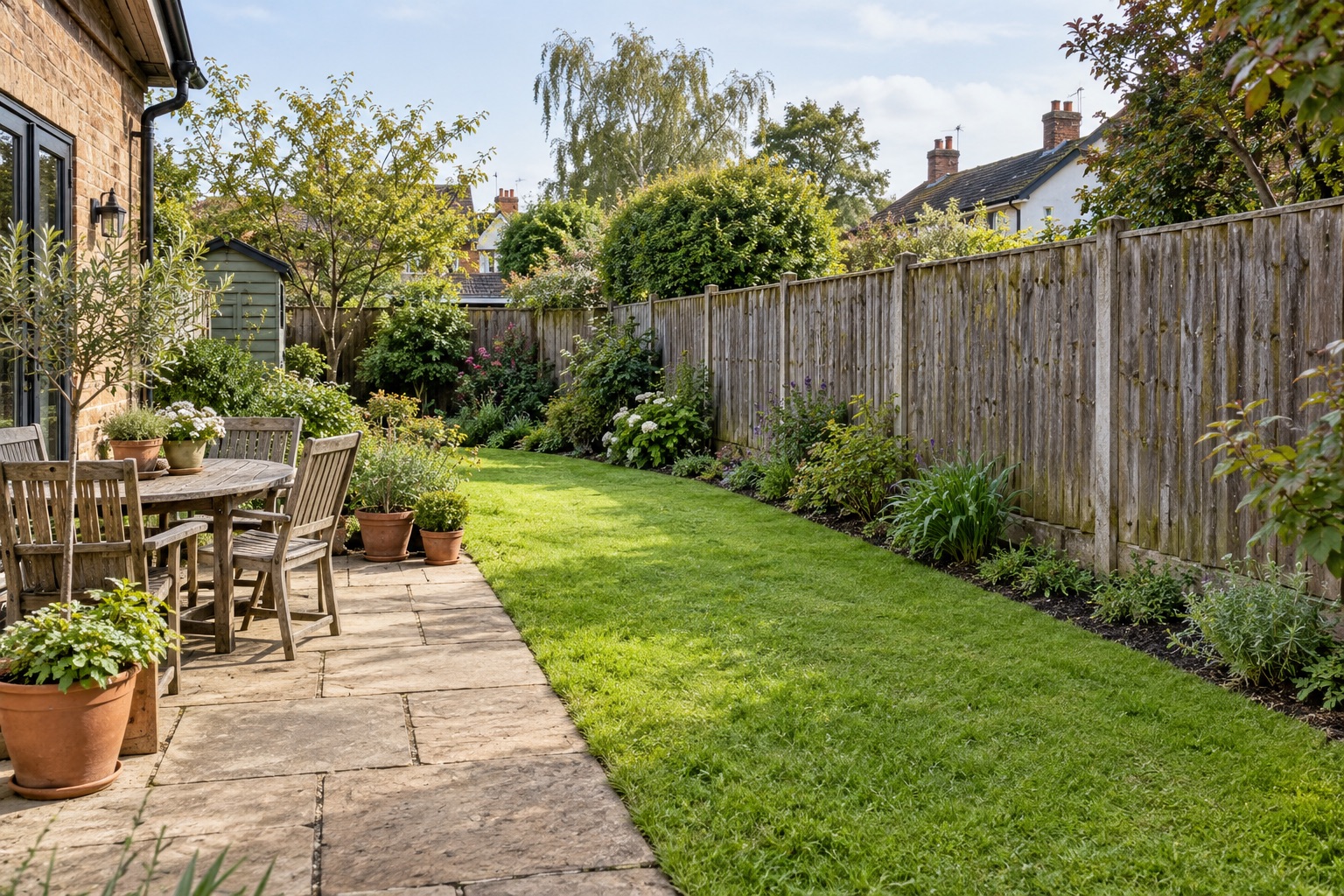
Usually the most helpful tasks are clearing movable items, arranging access and identifying what must remain. Dismantling fences, cutting roots or clearing dense vegetation should not be assumed to be homeowner preparation.
Start with a written division of tasks
A quote may say “site to be clear”, but that can mean very different things. Ask what area needs clearing, by whom and by what date. Does the contractor remove the old fence and vegetation, or only install new components into an already prepared site?
List specific actions rather than accepting a broad phrase. Moving pots is not the same as removing a hedge. Taking down a washing line is not the same as disconnecting an electrical supply. Our survey guide helps establish those boundaries before work is booked.
If you offer to do part of the preparation, ask what condition the installer expects on arrival and how incomplete work would affect the programme or price. Do not dismantle the boundary first in the hope that a later quotation will be cheaper.
Move the easy things first
Relocate furniture, toys, bins, loose ornaments and pots from the agreed route and working strip. Leave enough turning space for bulky components, not just enough room for someone to walk past. Ask the installer how much space the method requires; there is no universal strip width for every garden.
Choose a storage spot away from the proposed material stack and waste route. If every item is moved onto the only usable patio, the crew may still have nowhere to work. Keep doors, emergency exits and any shared access usable.
Leave heavy or fixed objects for an agreed handling plan. A large planter, greenhouse or shed should not be shifted casually to meet a vague clearance request. Tell the installer early if something cannot move.
Protect planting without indiscriminate clearance
Mark plants you want retained and discuss how they will be protected. A climber woven through the old fence may need careful separation or specialist attention. Agree who will do that work and whether the plant can realistically be retained in the proposed scheme.
Do not cut substantial roots to make a post position fit. For Bedford Borough, check the council's protected-tree guidance where relevant. Our trees, roots and hedges guide explains why clearance and fence design need to be planned together.
Dense planting may contain nesting birds. Government bird-protection guidance covers nests being used or built. A date outside a familiar nesting-season window does not guarantee that clearance can proceed. If activity or a nest is suspected, pause the affected work and seek appropriate advice.
Sort access before the day
Check gates, locks and the route from unloading point to boundary. Tell the contractor about parking arrangements, restricted delivery times and any passage shared with other households. Do not reserve public space or obstruct a pavement on the assumption that a fencing job permits it.
Where entry to a neighbouring garden is required, obtain the appropriate agreement and pass its conditions to the installer. Use our access checklist for dates, route, protection and cleanup. Make clear who will be available to let the crew in.
If materials must pass through the house, discuss the practical limits and protection before the quotation is accepted. Doorways, corners, stairs and finished floors can change the handling plan substantially.
Point out known services and attachments
Tell the contractor about garden lighting, sockets, irrigation, water supplies, drains and any records of earlier installations. Leave a list of uncertainties too. Knowing where a cable enters the garden does not establish its whole buried route.
Do not disconnect electrics or move an unidentified service as a preparation task. Arrange any necessary specialist work. Before digging, service information and investigation need to form part of the contractor's plan; see underground services and fencing.
Identify items fixed to the fence, including lighting, trellis, feeders or a washing line. Agree who removes them and whether any are to be reinstated. Ask permission where they belong to someone else.
Plan for pets, children and an open boundary
Ask when the old fence will come down and whether the garden could remain open between visits. Arrange supervision and a separate safe area for children and animals. A temporary barrier should only be relied on for the purpose it can actually serve.
Tell neighbours about the agreed timing and any access effects. Keep household members informed so nobody lets a pet into the garden during a period when panels are missing or work is underway.
Ask which routes and entrances will remain usable. If the garden contains your only practical access to a bin store or outbuilding, explain that constraint before work starts.
Record the condition and the finish expected
Take a few photographs of the route and nearby surfaces before work, focusing on the project. Agree what protection, cleanup and making-good are included. Replacing a fence does not automatically include new turf, replanting beds or repairing all old paving.
Keep the agreed scope with the quotation. If the crew identifies additional preparation on arrival, ask for the reason, price and effect on timing before authorising it. Our paperwork guide covers recording changes.
Installation-day questions to settle before the crew arrives
These are arrangements to agree with your chosen installer, rather than promises about what every fencing business supplies. Add the answers to your written brief, especially if you will be away during the work.
Do I need to be at home?
Ask whether someone needs to attend the arrival walk-through, provide access or approve the final layout. If you plan to leave, agree a contact number, who can authorise changes and what should happen if you cannot be reached.
Do not assume leaving a gate unlocked gives permission to enter the house, use other entrances or change the scope. Confirm the permitted route and how the property will be secured when the crew leaves.
Will they need power or water?
Ask what the actual method and equipment require, what the contractor brings and what they expect you to provide. Tell them if there is no accessible outside socket or tap before the installation date.
Agree access to any facilities and the route for equipment. Do not improvise an electrical supply, open the house to an unagreed route or assume a neighbour will provide utilities. If a suitable arrangement is unavailable, have the installer explain the alternative and any effect on price.
Who receives and stores the materials?
Confirm the delivery day, who accepts it and where materials will be placed. A kerbside delivery and carrying components to the back garden are different services. Ask who handles shortages, damage or a delivery arriving before the crew.
Keep shared routes and entrances clear. Store materials as the supplier requires; do not assume the lawn, a narrow path or a leaning stack against the old fence is an agreed storage area.
What parking or unloading arrangements are needed?
Explain restrictions, shared drives, narrow roads and any distance between the vehicle and the garden. Ask what vehicle space and unloading time the installer needs. Record who checks any permissions or arrangements relevant to the proposed location.
A booked job does not reserve public parking or authorise blocking a pavement. If the intended space becomes unavailable, contact the installer rather than directing the delivery somewhere unsuitable.
What happens to pets while the boundary is open?
Agree the sequence of removal and replacement and whether openings may remain overnight. Use a separate appropriate area for animals and children while work is underway; do not rely on an incomplete fence to contain them.
Tell everyone in the household when the garden must not be used. Ask the installer when the completed assembly is ready for normal use, including any restrictions affecting gates or fresh foundations.
Can I use a temporary fence between visits?
Discuss the purpose, provider, position and removal of any temporary arrangement before work starts. A visible marker is different from a barrier intended to contain an animal or separate people from a hazard.
If the proposed temporary arrangement cannot meet your household’s needs, resolve the programme or alternative access before dismantling. The answer may be a different sequence rather than an improvised screen.
Who approves extra work or a different layout?
Nominate one person and an agreed contact method. If hidden concrete, roots or another obstacle changes the proposal, ask for the reason, revised scope, price and programme before authorising the change.
Keep a written record. If the named person cannot be reached, agree what work should pause. A conversation about a practical difficulty should not silently become approval to move a boundary or incur unlimited additional cost.
What if the weather changes on the day?
Agree who confirms the start and how you will be told about a delay. Ask how materials, exposed areas and an incomplete boundary will be managed if work pauses. See the weather guide for the questions behind that decision.
What cleanup and making-good should I expect?
Use the quotation to identify what leaves the site and what finish is included: waste collection, accessible debris, old holes, disturbed beds and protection to the carrying route. Agree what happens to useful spare materials.
Do not treat a general promise to tidy up as an agreement to replace planting, turf or paving. Check the removal and disposal scope and record any remaining collection date.
What should happen before the crew leaves?
Compare the work with the agreed scope, ask for a demonstration of gate operation when ready and collect the product and care information. Note outstanding items and who will address them.
Use the handover checklist rather than relying on a quick glance from the back door. Keep the quotation, agreed changes, invoice and relevant photographs together.
The day-before check
- Confirm arrival arrangements and the current weather decision.
- Clear agreed movable items and access routes.
- Make retained plants, surfaces and components clear.
- Have service records and unresolved questions available.
- Confirm pets, children and temporary-boundary arrangements.
- Check who can approve a necessary change during the work.
Preparation should make the agreed installation easier, not transfer unidentified risks to the homeowner. If the requested task goes beyond what you can safely or lawfully do, tell the installer and agree a different scope before the start date.